Bring Us Together
Poetics of Memory: Mildred Howard
Oakland Museum
Ongoing – October 18
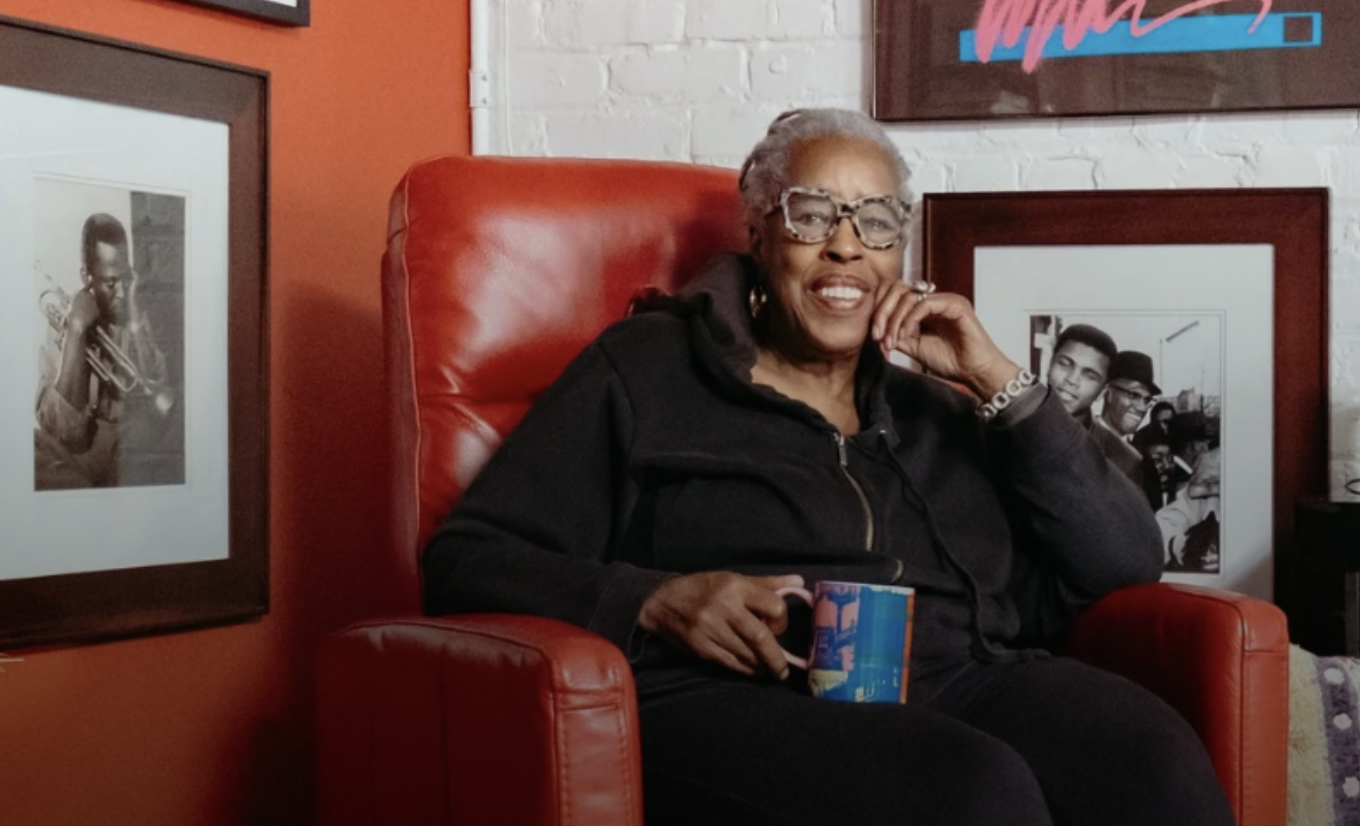
Shockingly, Poetics of Memory is the first major museum retrospective celebrating the work of 2025 Guggenheim Fellow, Mildred Howard. If you think that fact has nothing to do with race, gender and sexual identity, there’s a bridge you can purchase in Brooklyn.
Spanning Howard’s five-decade career, this exhibition explores memory, identity and the African American experience. The artworks include her renowned collages, found-object sculptures and immersive installations. New and never-before-seen pieces punctuate the exhibition, alongside early self-portraits, mixed-media assemblages and ephemera.
Archival materials from Howard’s Oakland studio illuminate the cultural currents and lived experiences that shape her works. Throughout her life, Howard has drawn on everyday materials to create powerful collages, sculptures and monumental public artworks that are both poetic and politically resonant.
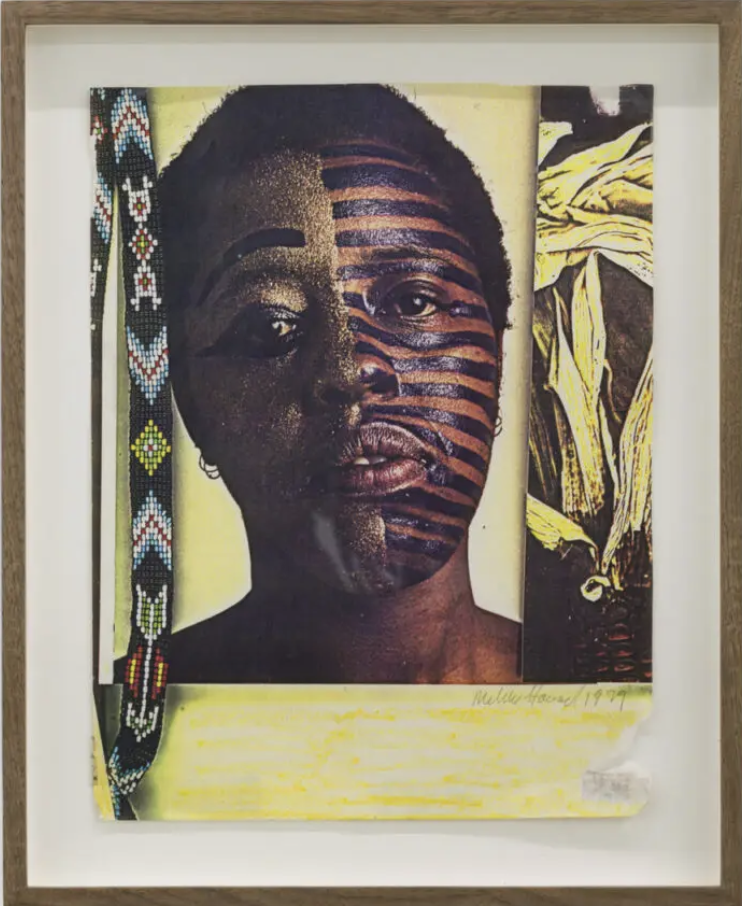
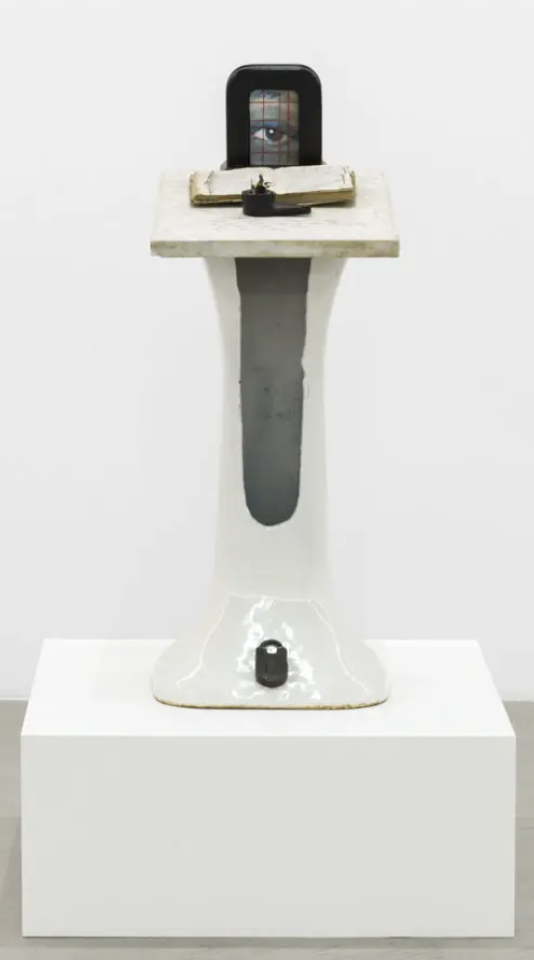
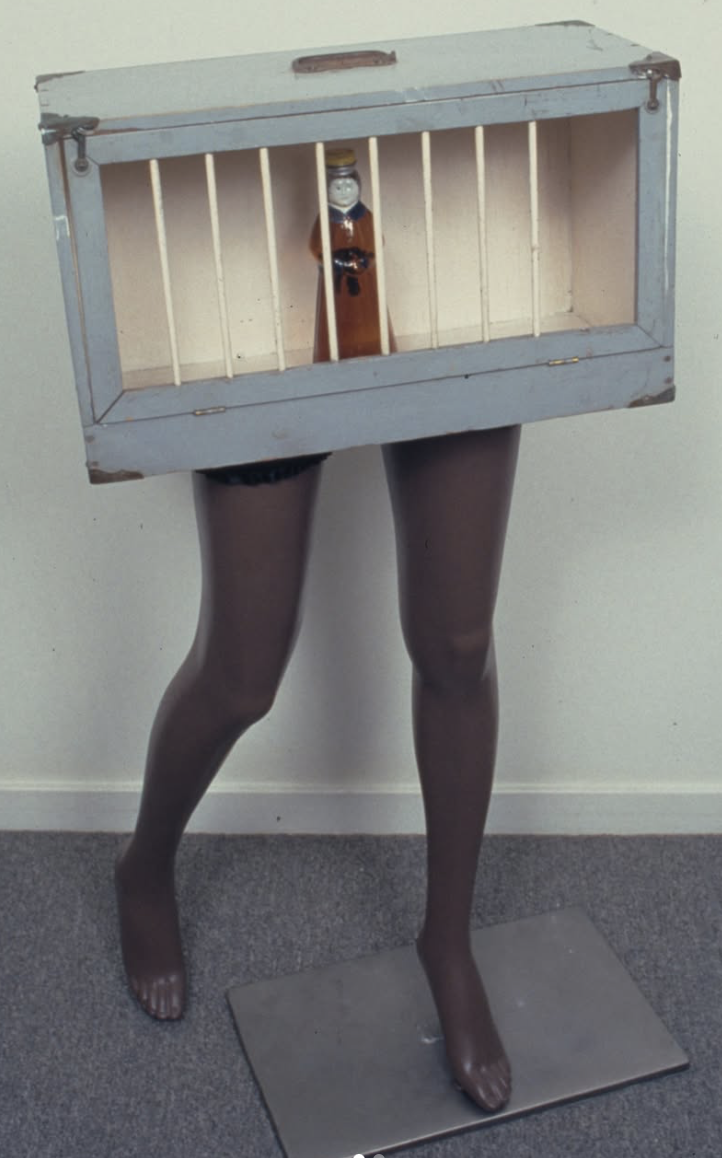
L2R: Untitled (Self-Portrait); A Salute to Sojourner, Still Waters Run Deep and Brown Legs
In the 1970s, she began making art inspired by textiles and African Diasporic dance. Her studio became a space for experimentation. As a powerful influence on Bay Area contemporary art and the Black Arts Movement, Howard’s studio hosted Romare Bearden, Betye Saar, Hung Liu and Raymond Saunders, among other well-known local artists.
Howard’s work has referenced both personal history and collective, generational experiences. Her better-known works range from images of World War I and Tupac Shakur to her family’s own roots in the Great Migration.
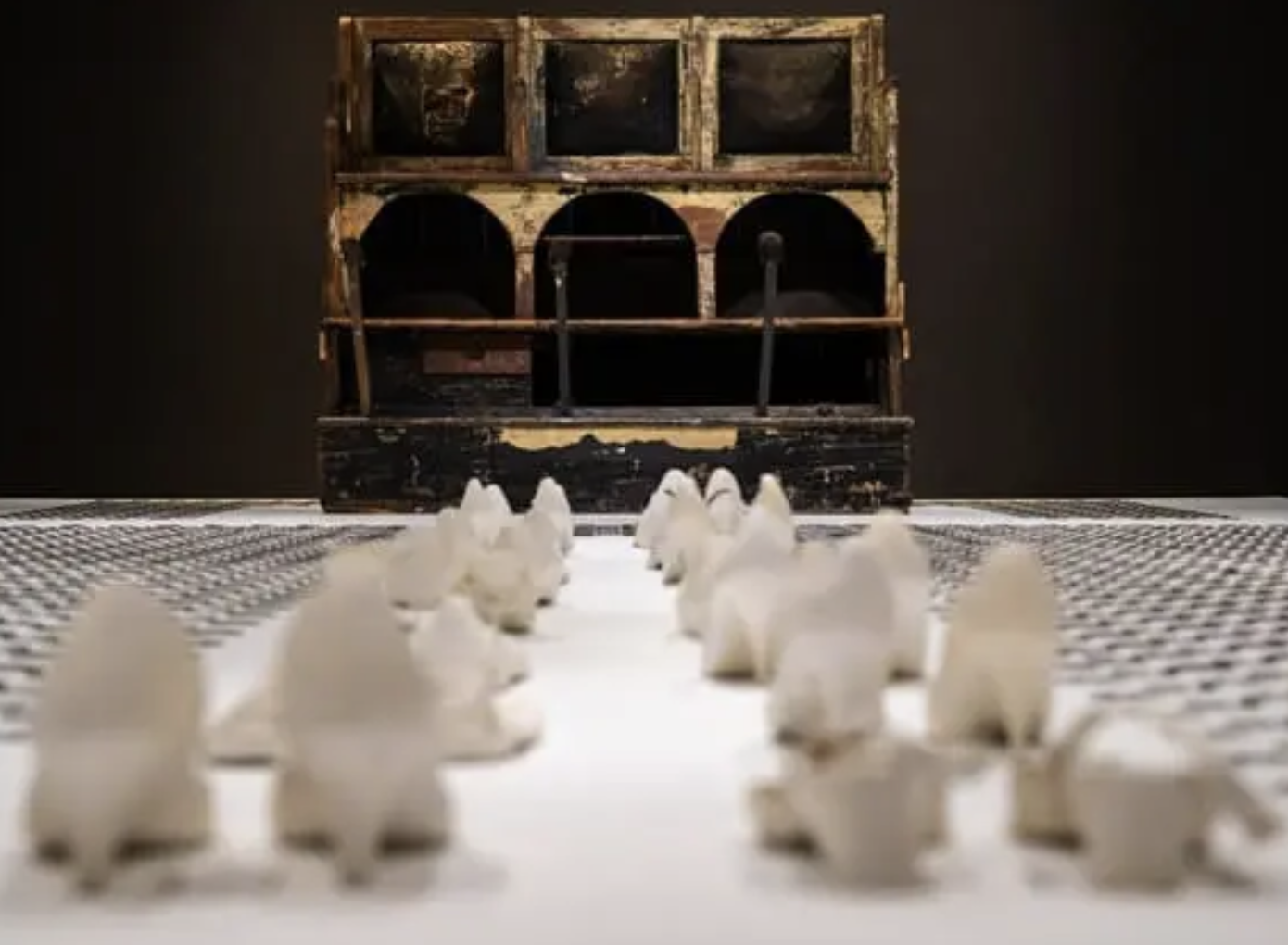
TAP: Investigation of Memory, a powerful multimedia installation that examines themes of identity, church culture, gentrification, dance and social activism. Howard’s family lineage and community inform much of her work. Part of OMCA’s Collection, TAP incorporates an antique shoeshine stand from Oakland’s historic California Hotel, once a cultural center for the Black community. The altar centerpiece alongside the white shoes and metal shoe taps covering the gallery floor symbolize memories from her past and tap dance’s influence on her life.
Howard’s monumental public artworks, which can be found across the Bay Area, have highlighted often overlooked histories, from the Black shipworkers of Hunters Point, and the slaveowning politicians of California, to the musicians who defined San Francisco jazz scene. “Mildred’s work is transformative,” says Lori Fogarty, OMCA CEO and Executive Director. “She takes everyday materials and imbues them with meaning and histories that refuse to be erased.”
This exhibition invites visitors into Howard’s vibrant, poetic world — to reflect on how personal memory and collective history intertwine, and to connect their own experiences to the broader stories that define us.

Black Has Always Been a Color
For more information, click here.