Yes Virginia, Clay IS Art (in the hands of an artist)
New Japanese Clay
Asian Art Museum
Ongoing- February 2, 2026
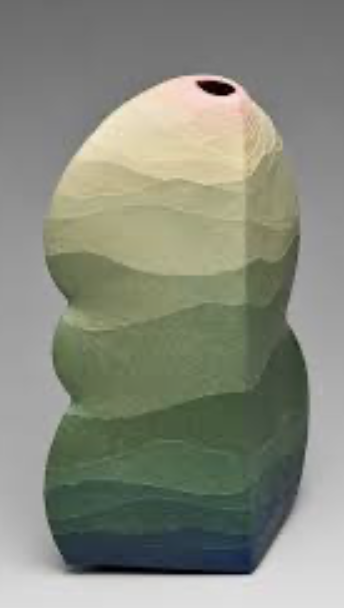
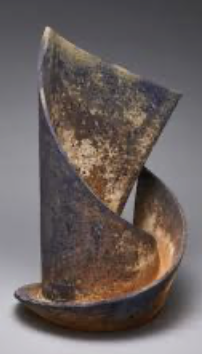
Miyashita Zenji, Untitled
“My wares are not made but born.”
– Shoji Hamada, Japanese potter and Living National Treasure (1894-1978)
If you read these Blogs, I trust you do not have a provincial mindset You know it is not the medium that creates the “art” but rather what is in the soul of the artist. Brushes and a palette of oils in the hands of a twelve-year-old will not necessarily result in art. Similarly, what results from discarded fabrics in the hands of Faith Ringgold or Ramekon O’Arwisters could never be labelled “craft.” So, you will not be surprised to learn that the Asian Art Museum’s New Japanese Clay is an exhibition of Modern and Contemporary Art.
In the West, Augusta Savage and Pablo Picasso worked in clay as one of the many mediums they used. Here, in the Bay Area, during the Post-War Period, the works of Peter Voulkos, Robert Arneson and Jim Melchert gave rise to the Northern California Clay Movement that continues to this day. Yet, we are all latecomers compared to the artists who have worked in clay in East Asia. Chinese and Korean clay works so refined as to be characterized as “art” date back at least seven centuries; similar sophisticated Japanese works began more than 400 years ago. Such a history provides a remarkable foundation for the artists of East Asia who choose clay as their medium.
THE EXHIBITION
The 32 pieces found in New Japanese Clay defy gravity. Add to that their extraordinary range, from a delicate sliver of clay to rugged, organic forms, and you have an exhibition that showcases work with novel textures, seemingly impossible silhouettes and otherworldly shapes, all by contemporary Japanese ceramicists pushing the boundaries of modern ceramic arts.
Infused with color and sculptural audacity, these contemporary Japanese ceramics reveal a boundless reimagining of clay. You will see works in rugged forms that recall the humble origins of the material – borne from the interaction of stone and soil – while other works unfold with the delicacy of paper or the airiness of billowing cloth. Together, these works push the boundaries of a centuries-old tradition, offering a striking redefinition of the medium’s expressive potential.
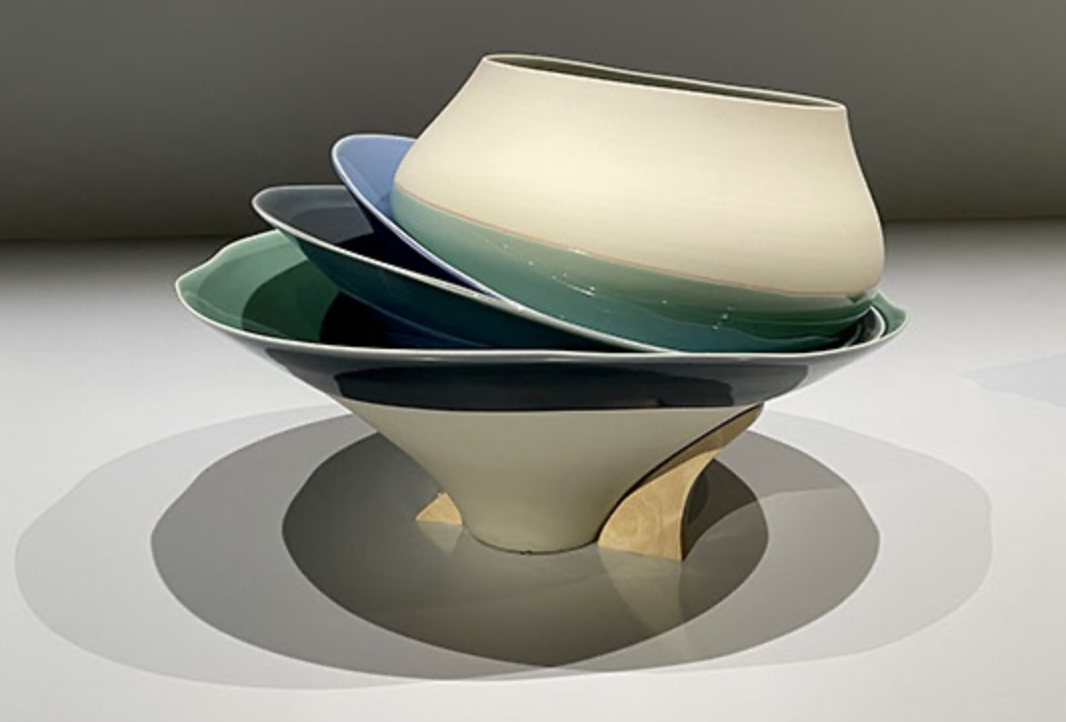
Fukumoto Fuku, Tsukikage (Moonlight)
The exhibition also introduces visitors to the makers behind the works on view. “This new generation of potters from Japan are [sic] building on the legacy of the mingei (folk art) movement while charting their own boldly experimental courses,” says Chief Curator & exhibition curator, Dr. Robert Mintz.
“The artists in New Japanese Clay are challenging the conventions of functional ceramics and pivoting toward a purely sculptural experience,” Dr. Mintz notes. “Their creations are meant to intrigue and delight; the vessel form is just a point of departure for spectacular experimentation. Through a wide range of innovative materials and methods, these artists are reimagining ceramics for the 21st century.”
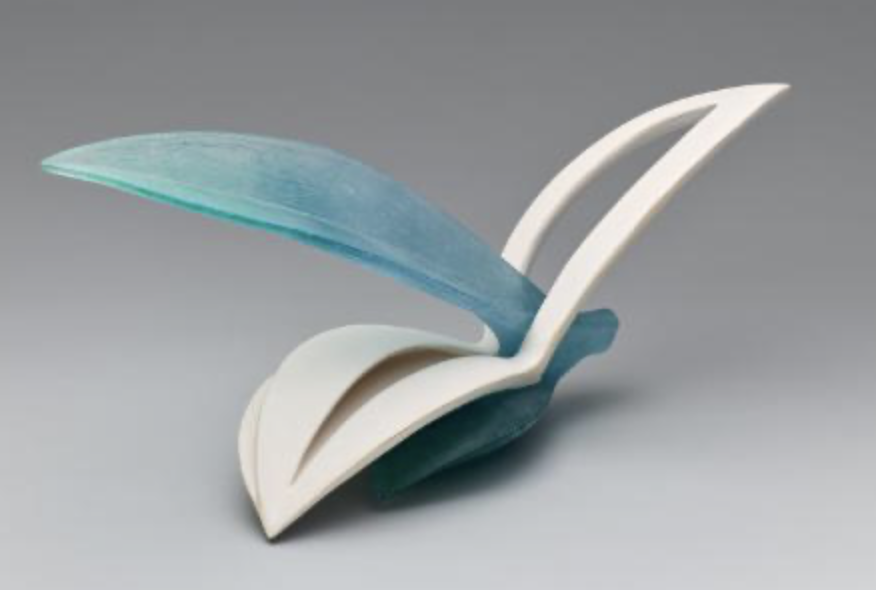
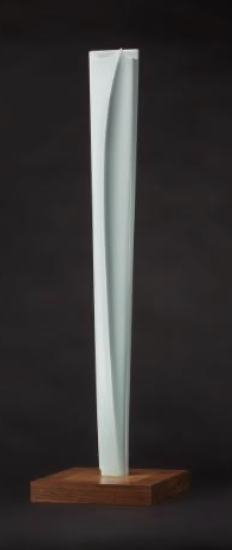
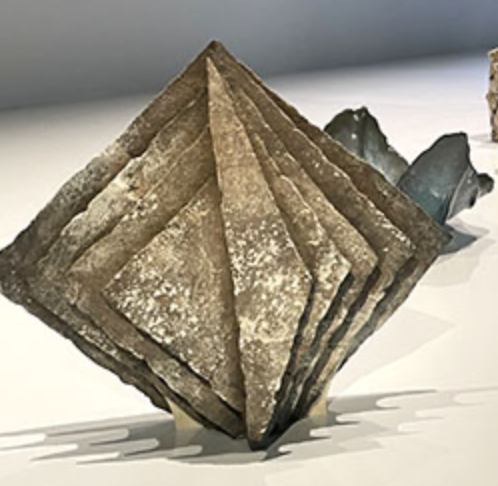
L2R: Tashima Etsuko, Cornucopia 05-VIII (porcelain and glass); Fukami Sueharu, Jade Green (Sui) and Yukiya Izumita, Vase géométrique
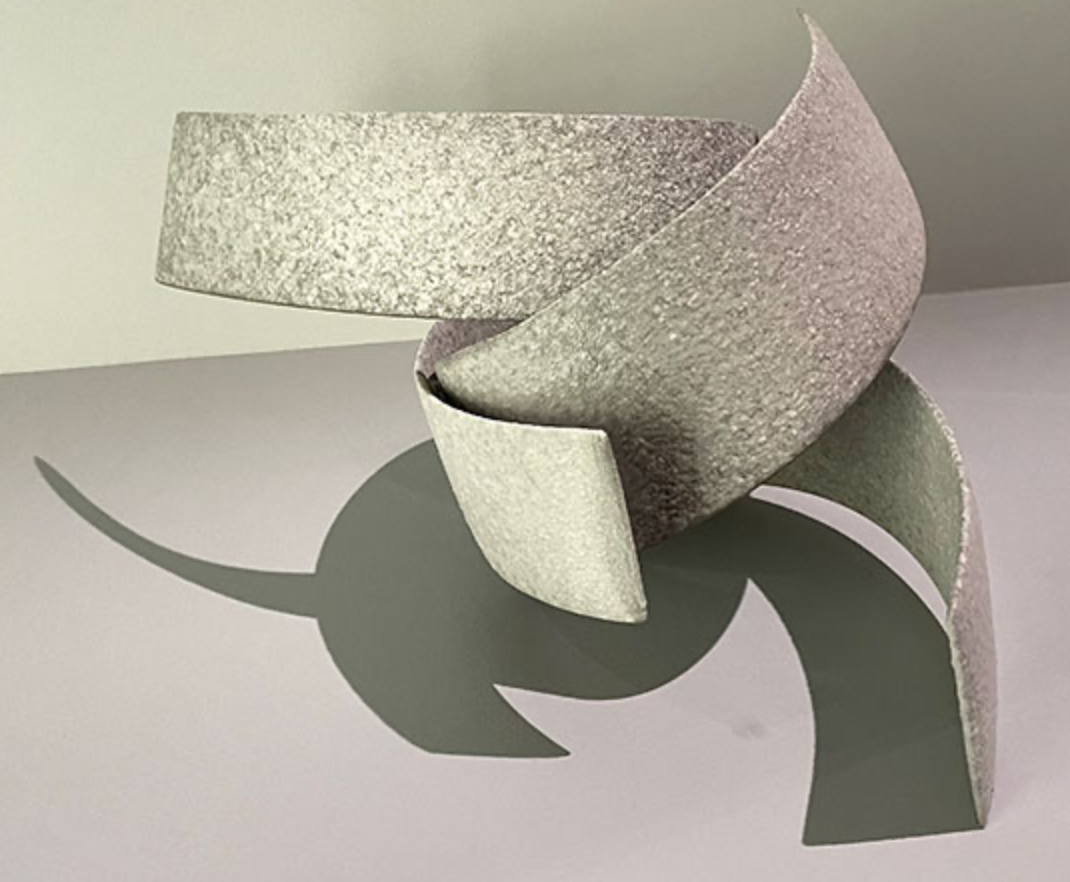
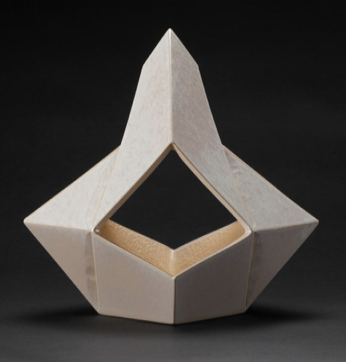
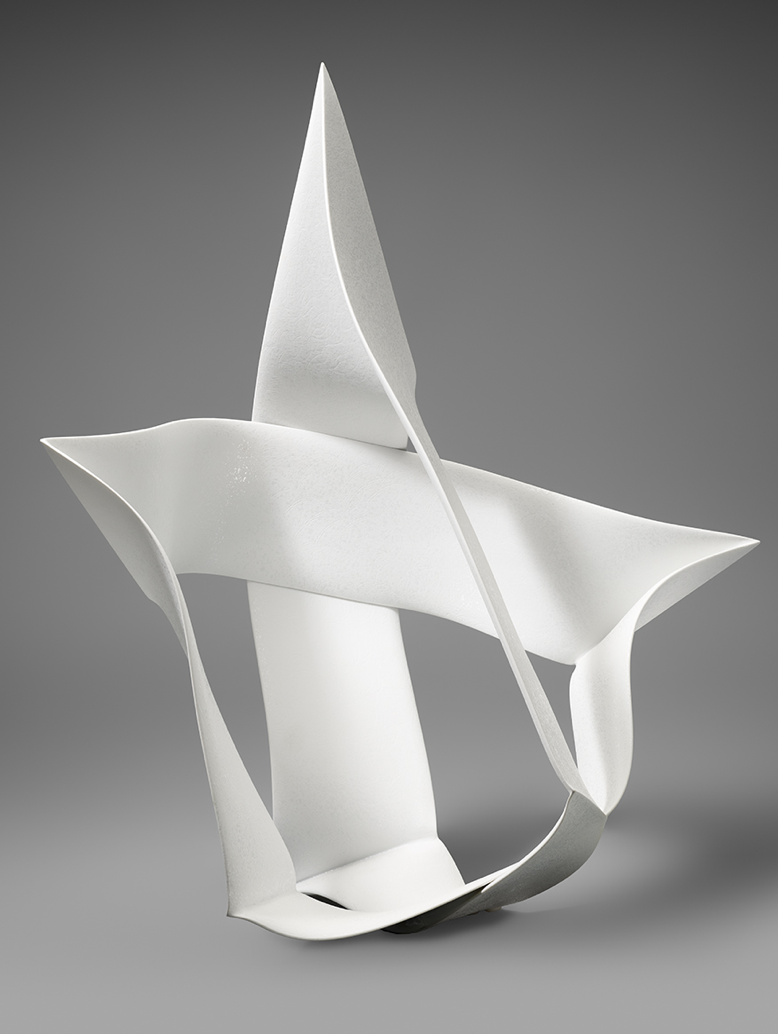
L2R: Kanjiro Moriyama, Kai (Turn) XVI (wheel-thrown!); Kiyomizu Rokubei VIII, Space Object (Kukan Keijo) 06-A; Shigekazu Nagae, Forms that Entwine (a/k/a Lighthouse)
The art shown here is a result of the diverse influences as well as of the global nature of art training and practice in the modern era. Many of the featured artists maintain social media accounts offering behind-the-scenes looks at their studio process. The exhibition aims to foreground the artists behind these works, many of whom are women and most of whom are living. To connect audiences with artists more directly, exhibition labels include artists’ social media handles, giving visitors the ability to dive more deeply into the art long after they’ve left the gallery.
THE BENEFACTORS
A decade ago, the Asian Art Museum announced a future gift from local philanthropists, Dr. Phyllis A. Kempner and Dr. David D. Stein, of their collection of Japanese ceramics. This exhibition is the second installment of the 100+ pieces from their collection. The remarkable range of the works displayed is a testament to their cosmopolitan understanding of the art form.
These works, many of which have never been displayed publicly before, invite audiences on a journey through modern Japanese ceramics. Just as the Impressionists of France broke new ground 161 years ago, the 29 ceramicists whose works are displayed in this exhibition are challenging hundreds of years of tradition. From a delicate sliver of clay to rugged, organic forms, the exhibition showcases work with novel textures, seemingly impossible silhouettes, and otherworldly shapes by contemporary Japanese ceramicists pushing the boundaries of modern ceramic arts.
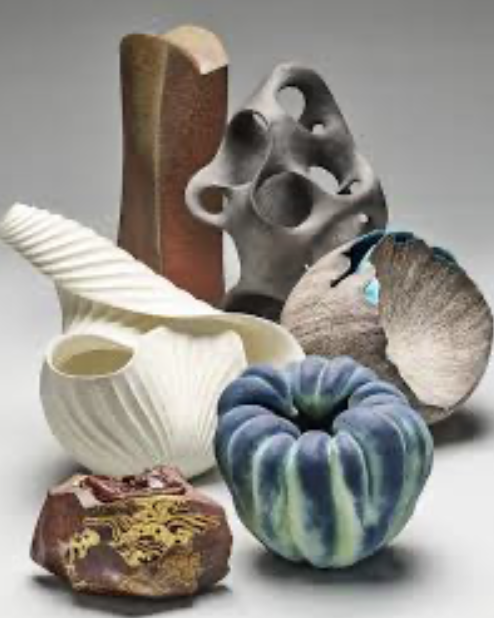
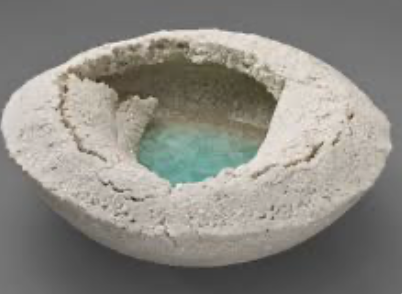
Commenting on the exhibition on Instagram, one wag noted: “A few of the pieces look like Frank Gehry buildings in clay.”
These artists have reimagined ceramics through a dazzling diversity of forms, textures and techniques. The world of contemporary Japanese ceramics is brimming with dynamic approaches to the medium of clay. The unconventional techniques on display in this exhibit expands the possibilities of this art form with a new generation of potters ready to push the boundaries far beyond 20th century mingei.
For more information about New Japanese Clay, click here.
My thanks to artdaily.
P.S. I am aware that my use of “provincial,” “sophisticated” and “cosmopolitan” may come across as snobbish. Forgive me; I was working on a theme. 🫤