The Extraordinary, Everyday
Graciela Iturbide: Between Two Worlds
SFMOMA
Ongoing – November 29
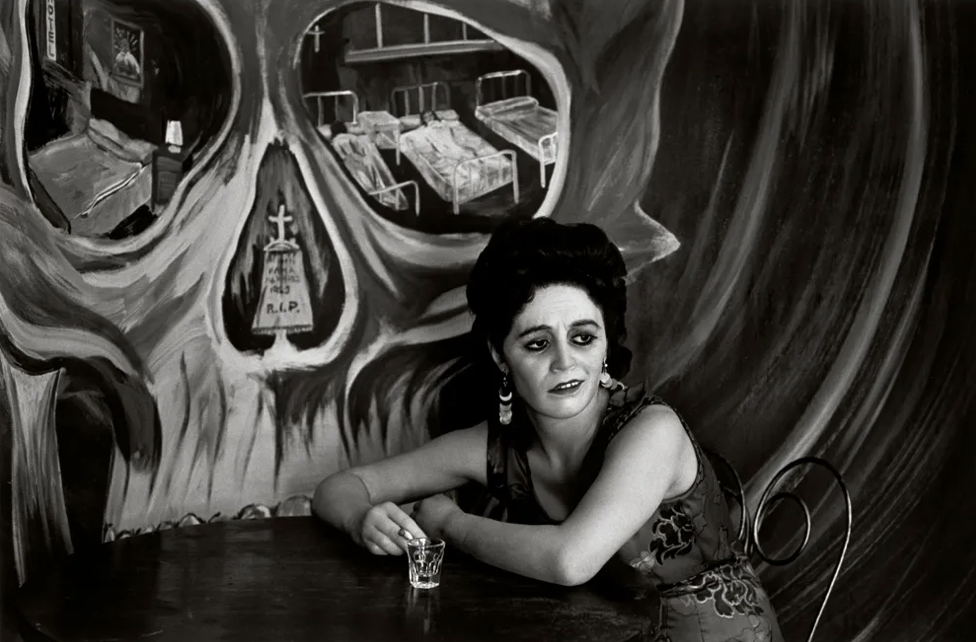
Mexico, 1969
‘The camera is an excuse to share the life of the people, the rhythm and sympathy of festivals, to discover my country.” – Graciela Iturbide
Fifty years of Graciela Iturbide. One room.
Overview
Between Two Worlds is a tutorial in visual poetry and magical realism. The retrospective features over 150 black-and-white photographs spanning five decades, celebrating Iturbide’s profound ability to find the extraordinary and uncanny in everyday Mexican life and culture. Her unique documentary-meets-surrealist style balances deep respect for Indigenous communities with a lyrical, dreamlike sensibility that is uniquely her own, with much of her most powerful work featuring lone, inscrutable figures against a distinctively Mexican backdrop.
If you have travelled to Mexico, this retrospective will resonate with your fondest memories. It reveals Iturbide’s passionate and poetic commitment to captivating the vast spectrum of life in Mexico: from urban markets in Mexico City to festivals, symbols and experiences of birth and death; intimate views of Frida Kahlo’s bathroom; self-portraits, and more. Between Two Worlds highlights the ways in which her photographs function as meditations: acts of attention that honor and contemplate the people, places and rituals that she encounters.
While deeply rooted in Mexico – especially the Sonoran Desert and the matriarchal society of Juchitán, Oaxaca – the show also expands to showcase her evocative travels to India, Madagascar, Italy and the US. The installation includes a special display placing her work in direct conversation with photographs by her mentor and compatriot, Manuel Álvarez Bravo, underscoring their shared influence and divergent approaches. It also celebrates SFMOMA’s prominence as the first US institution to offer Iturbide a monographic exhibition 36 years ago.
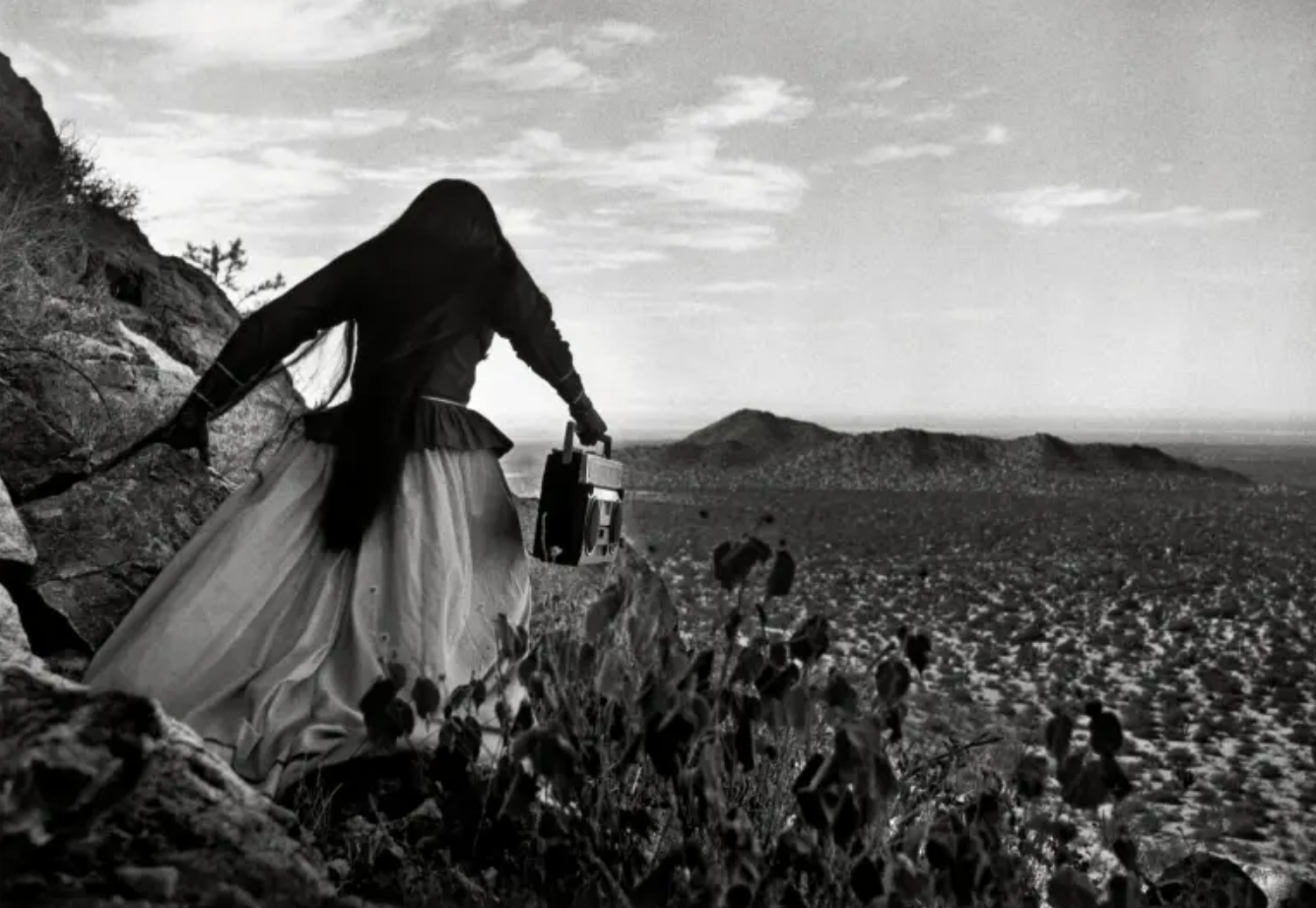
Mujer Ángel (Angel Woman) is one of the most iconic photographs in Mexican history. It straddles the intersection between ethnography and surrealism, and lives in the border between these worlds.
A Seri woman is walking into the desert landscape carrying a heavy, 1970s-era boombox. She represents the Seris pragmatic relationship with modernity—nomads who trade their traditional crafts for modern goods that make life in the desert more bearable.
The woman’s flowing hair and traditional dress give her the appearance of taking flight or maybe fleeing from an unseen enemy.
Mujeres
In Juchitán, Iturbide deeply immersed herself in Mexico’s Indigenous communities, often highlighting women’s experiences and bringing a more balanced and sensitive portrayal to marginalized groups. She said about her collaborative photographic practice, “I need to be close to the people… I need their complicity.”
She is not photographing from the outside in, but as an insider.
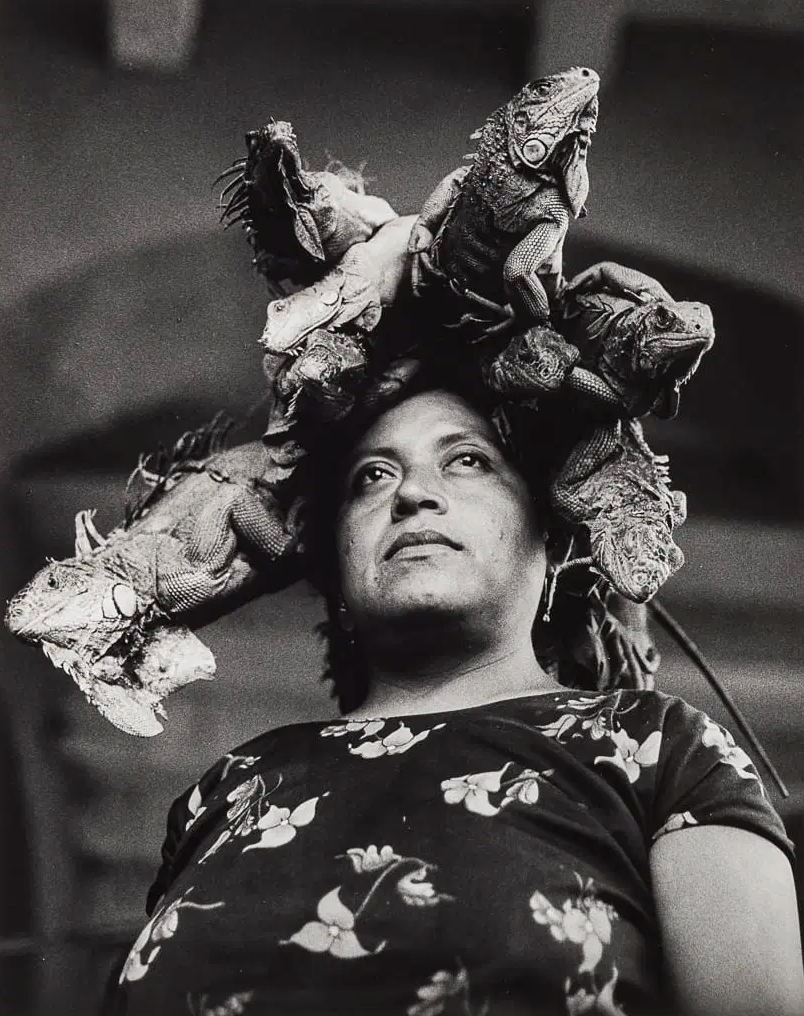
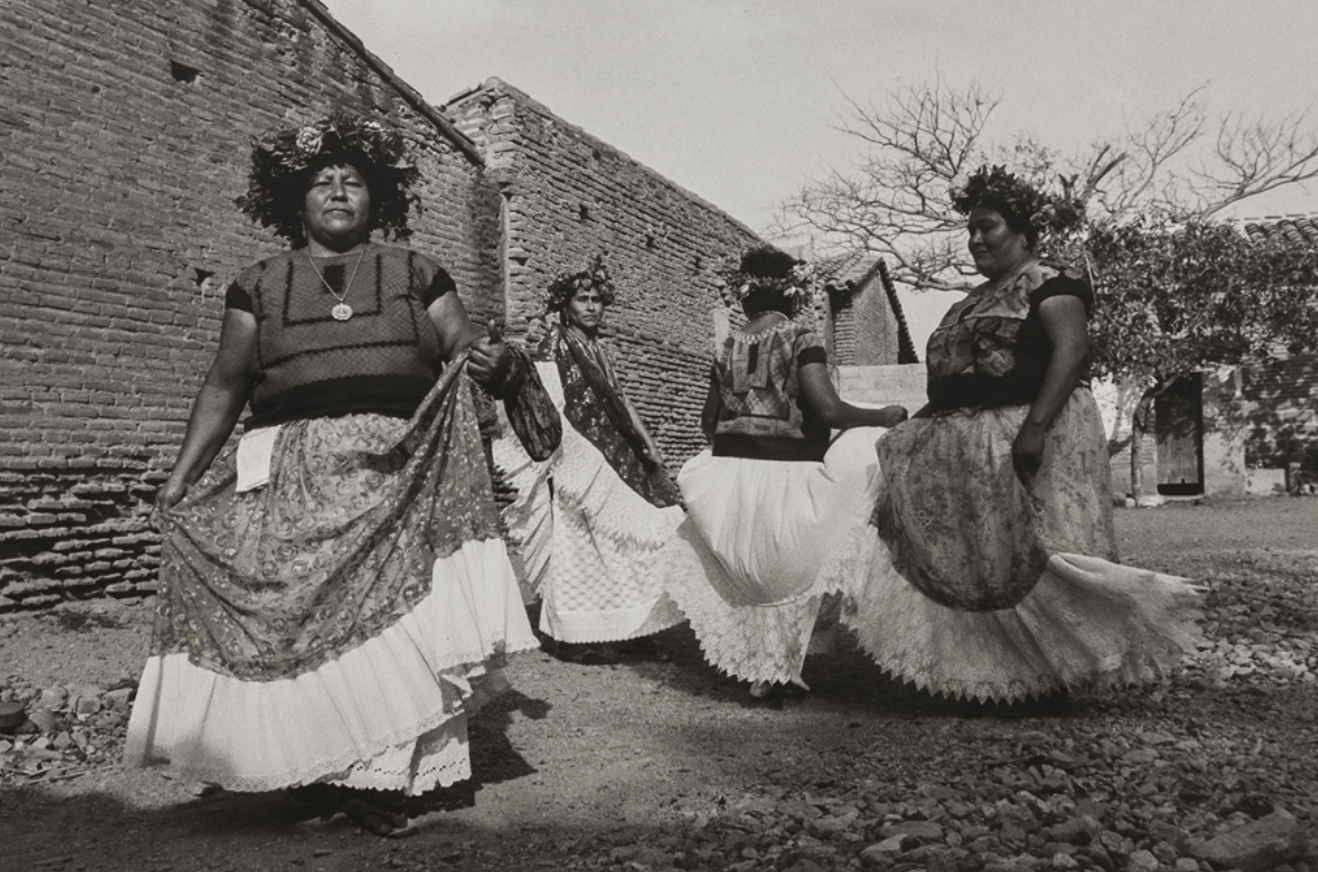
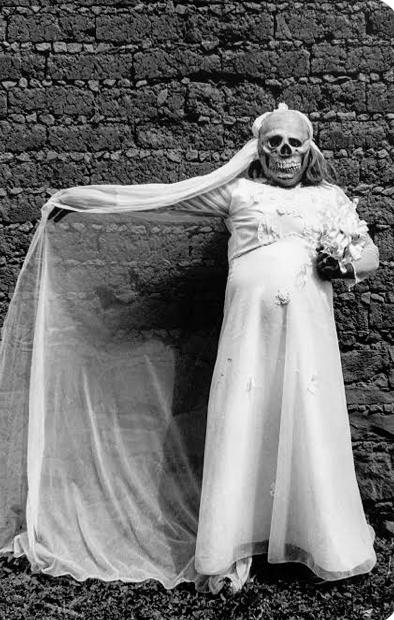
L2R: Our Lady of the Iguanas [Iturbide caught the Juchitán woman Zobeida Díaz on her way to market wearing a crown of live iguanas who are believed to have healing properties. Captured from below, she appears as a scared figure, combining the Catholic connotation of her title with the magical Zapotec healing power of the iguanas]; Baile (Dance), Juchitán, and Novia Muerte, Chalma, México (Death Bride, Chalma, Mexico)
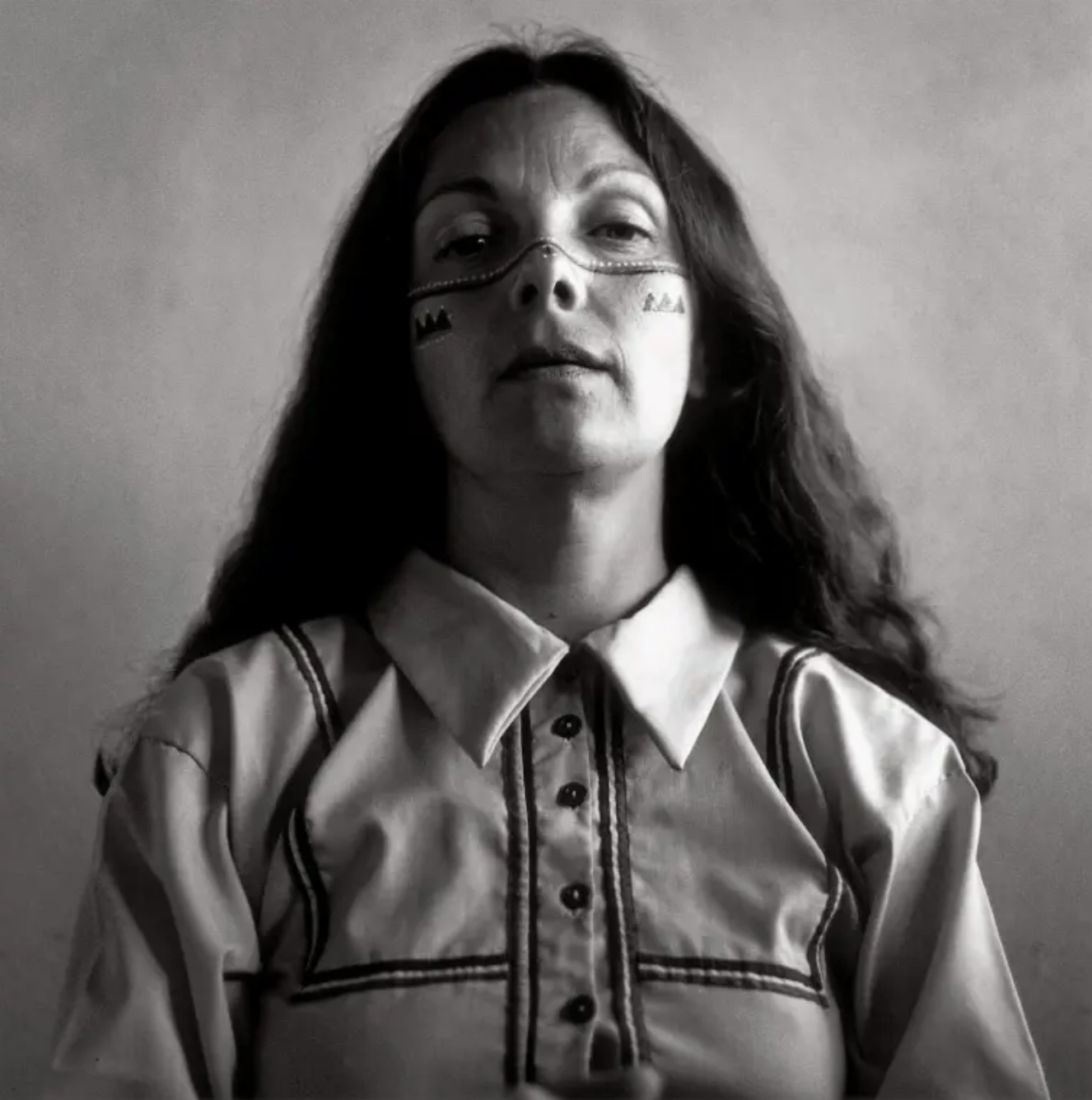
For Autorretrato con los indios seris, desierto de Sonora, México (Self-Portrait with the Seri, Sonoran Desert, Mexico), Iturbide worked with the anthropologist Luis Barjau and spent months immersing herself in the Seri community. Seri call themselves Comcáac and are a semi-nomadic hunter-gatherer culture, living in the Sonoran desert and along the coast. Iturbide participated in the rhythm of their daily lives and even dressed up as Seri woman, at their invitation. Commissioned by Mexico’s National Indigenous Institute, she earned the Seris’ trust, so she could photograph them in a nuanced way for her collection Seris: Those who Live in the Sand. By adopting the Seri’s tunic and face painting with its traditional ritualistic markings tied to protection and celebration, Iturbide demonstrates she wasn’t just a journalist, but a participant.
Una Mujer – Frida Kahlo
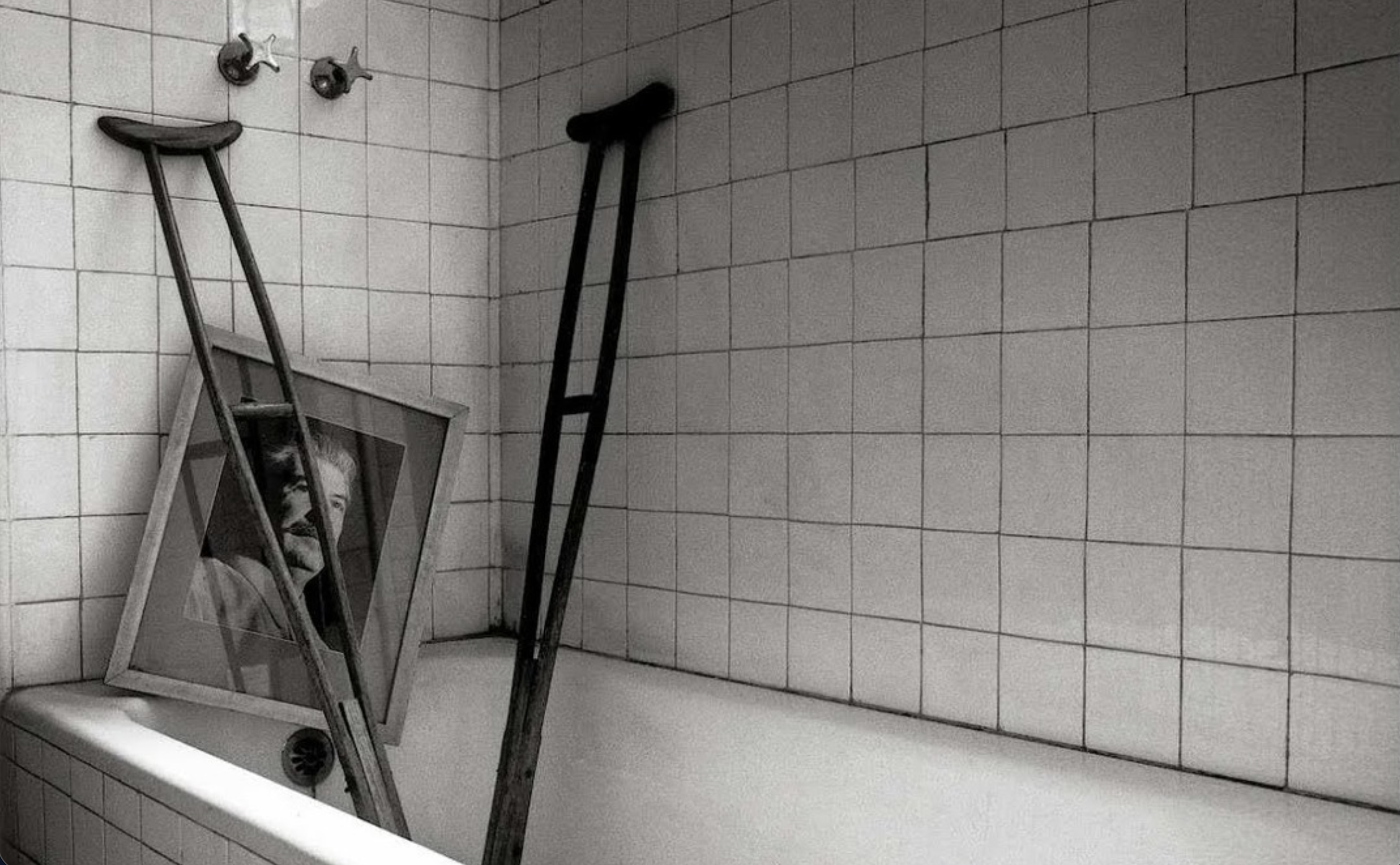
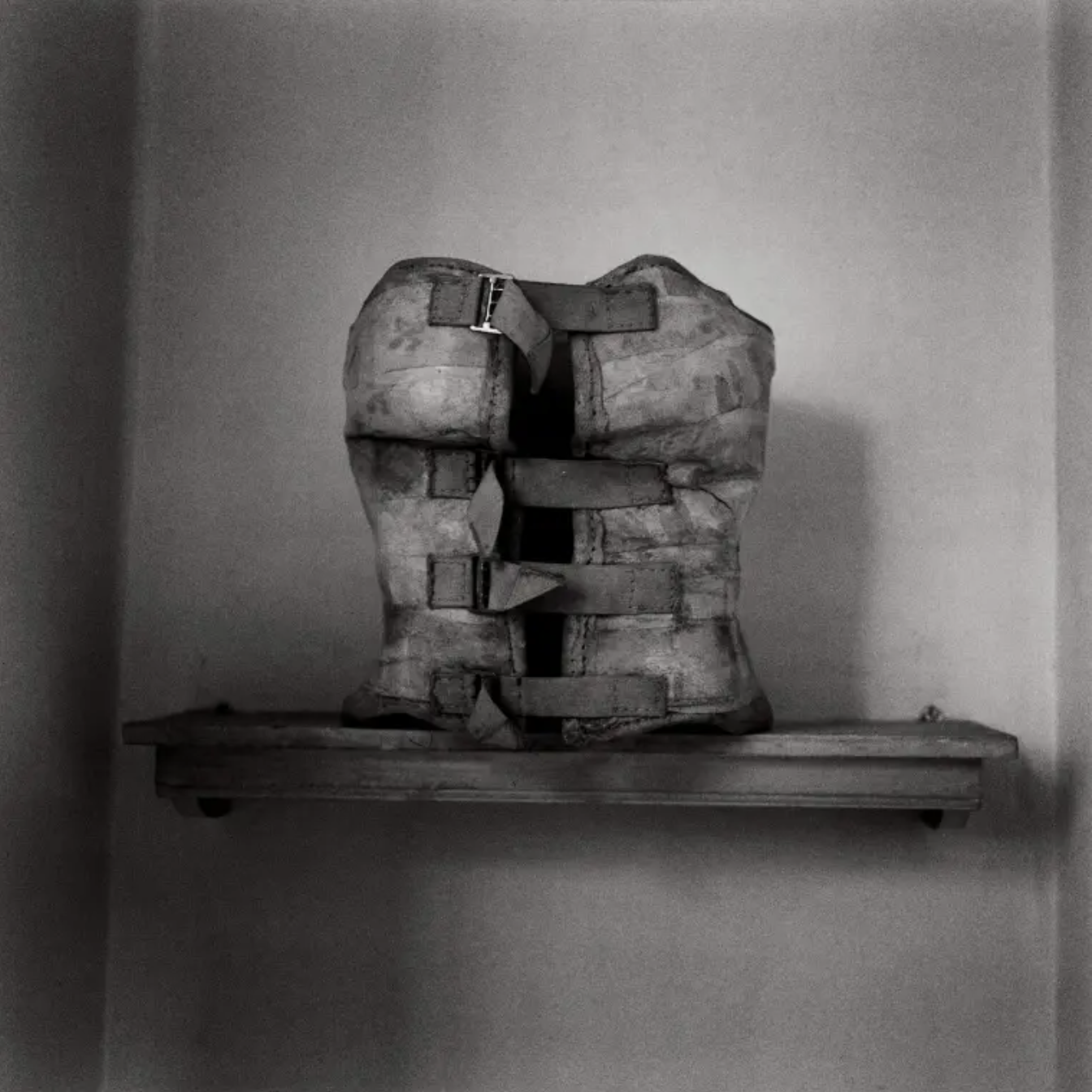
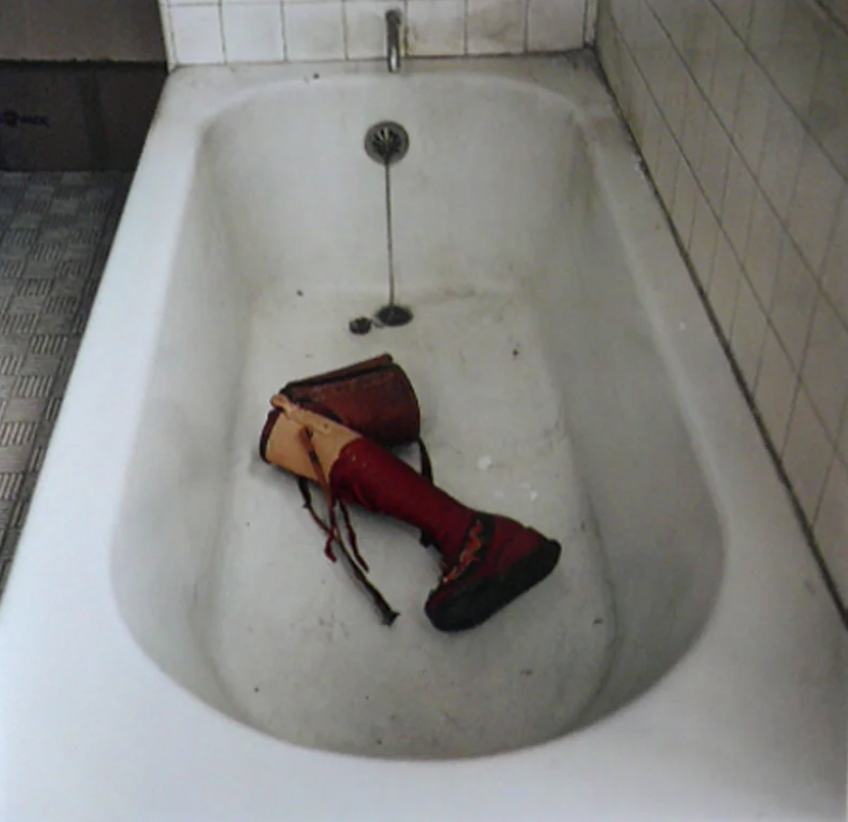
Iturbide often photographs the traces left behind by iconic figures, much like she does with marginalized living communities. A section of the exhibition displays Iturbide’s photographs of Frida Kahlo’s bathroom. At the request of Diego Rivera, Kahlo’s home was sealed following her death in 1954 and only opened fifty years later. Iturbide was the first person to enter the bathroom and she photographed it in its untouched state. These images provide intimate glimpses into Kahlo’s life. We find Kahlo’s commitment to communism in her picture of Stalin. We also find Frida Kahlo’s corset and prosthetic leg. Haunting, painful reminders of the suffering the beloved Mexican artist had to endure most of her life.
Iturbide’s ability to find the surreal quality in both a crowded market in Juchitán and a quiet, sealed bathroom in Frida Kahlo’s home is what makes her work so powerful.
Muxes
Also caught between two worlds are the muxes (people with fluid gender identity) of Juchitán. Iturbide was invited to this small Oaxacan town by the artist Francisco Toledo. Juchitán is a bastion of Zapotec tradition where women and muxes hold significant political, economic and spiritual power. Iturbide formed deep ties with the inhabitants before she could portray their distinctive cultural customs truthfully.
In the late 1970s and early 1980s, Iturbide created some of her most significant early work while she lived with Indigenous communities, such as the Seri of the Sonoran Desert, and particularly the Zapotec women of Juchitán, Oaxaca. On and off for several years, Iturbide lived among the Juchitecas, witnessing the ways in which women and muxes (who live beyond the gender binary) play central roles. She was a respectful collaborator as she photographed lyrical moments within these communities and their distinct, and often ancestral, ways of life.
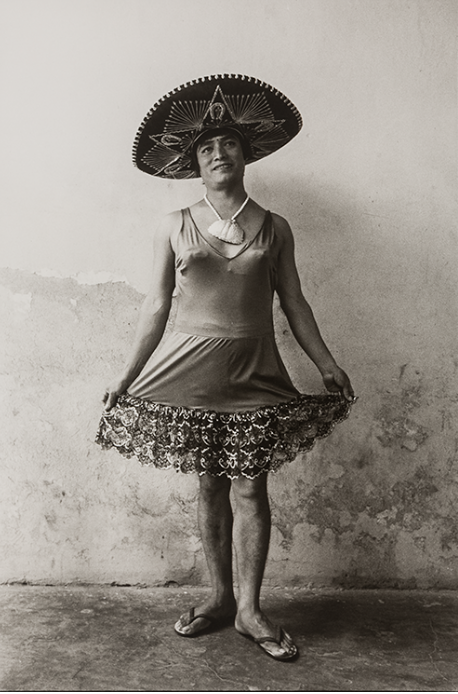
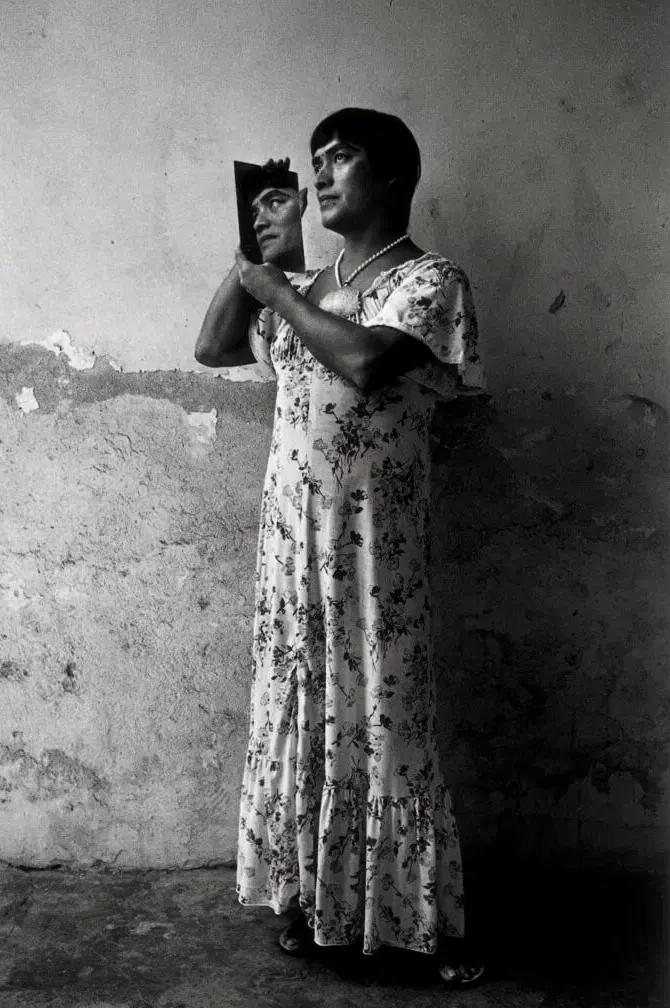
Two images of Magnolia, a muxe—a traditional third-gender identity that is widely accepted and celebrated in the Zapotec culture of Juchitán, Oaxaca.
L2R: Magnolia con sombrero, photographed in 1986. Magnolia, Juchitán, México, standing in front of a rough wall, wearing a floor length flowered dress, a pearl necklace and a flower brooch. Magnolia is looking into a small hand-held mirror, reflecting the right side of her face back at the viewer, revealing gender ambiguities through her face.
Travels Abroad
In Iturbide’s travels abroad to India, Italy, Meso-America and the United States, she continued exploring Indigenous communities to capture their rituals of celebration and death. She expanded her palette to include botanical gardens, landscapes and additional self-portraits. Throughout, her work possesses a surreal quality infused with dreams and mortality.
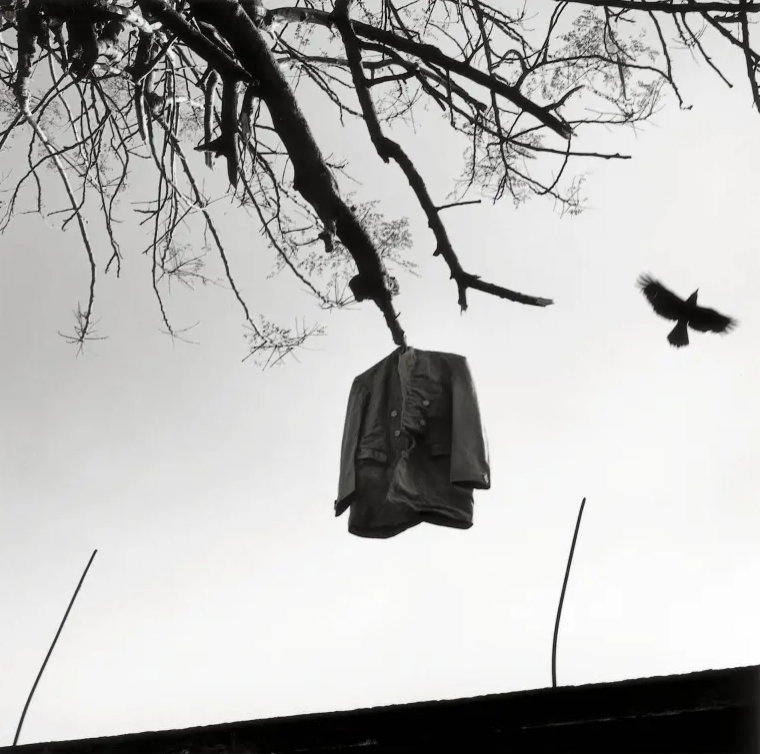
Paisajes y Objetos, Khajuraho, India (Landscapes and Objects, Khajuraho, India). A cemetery in Khajuraho, India. An empty shirt hangs on a bare tree branch before a white sky with a circling black bird. The shirt comes to symbolize desolation and the absence of its former owner. The bird turns into a messenger of death or a carrier of the soul.
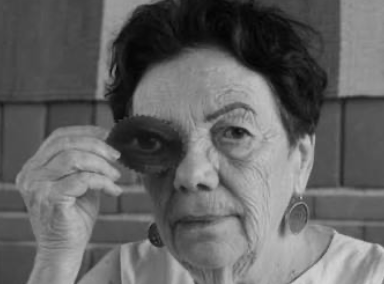
“She is considered Latin America’s best-known living photographer, and her images portray a unique and moving perspective on her homeland of Mexico, the Indigenous peoples of Mexico, and her worldwide travels,” Roxana Velásquez, Executive Director and CEO of The San Diego Museum of Art.
At 84, Iturbide’s vision is enduring because she sees Mexico from the unique viewpoint of women and Indigenous communities, people celebrating ceremonies and rituals, or dealing with death in a haunting, intimate manner.
My thanks to National Museum of Women in the Arts; See Great Art https://www.seegreatart.art/graciela-iturbide-photography-retrospective-at-sfmoma/ and Cornelia Feye at Magpies Magazine
For more information, click here.