Innovative Abstraction
Ha Chong-Hyun: Retrospective
Asian Art Museum
Ongoing — January 25
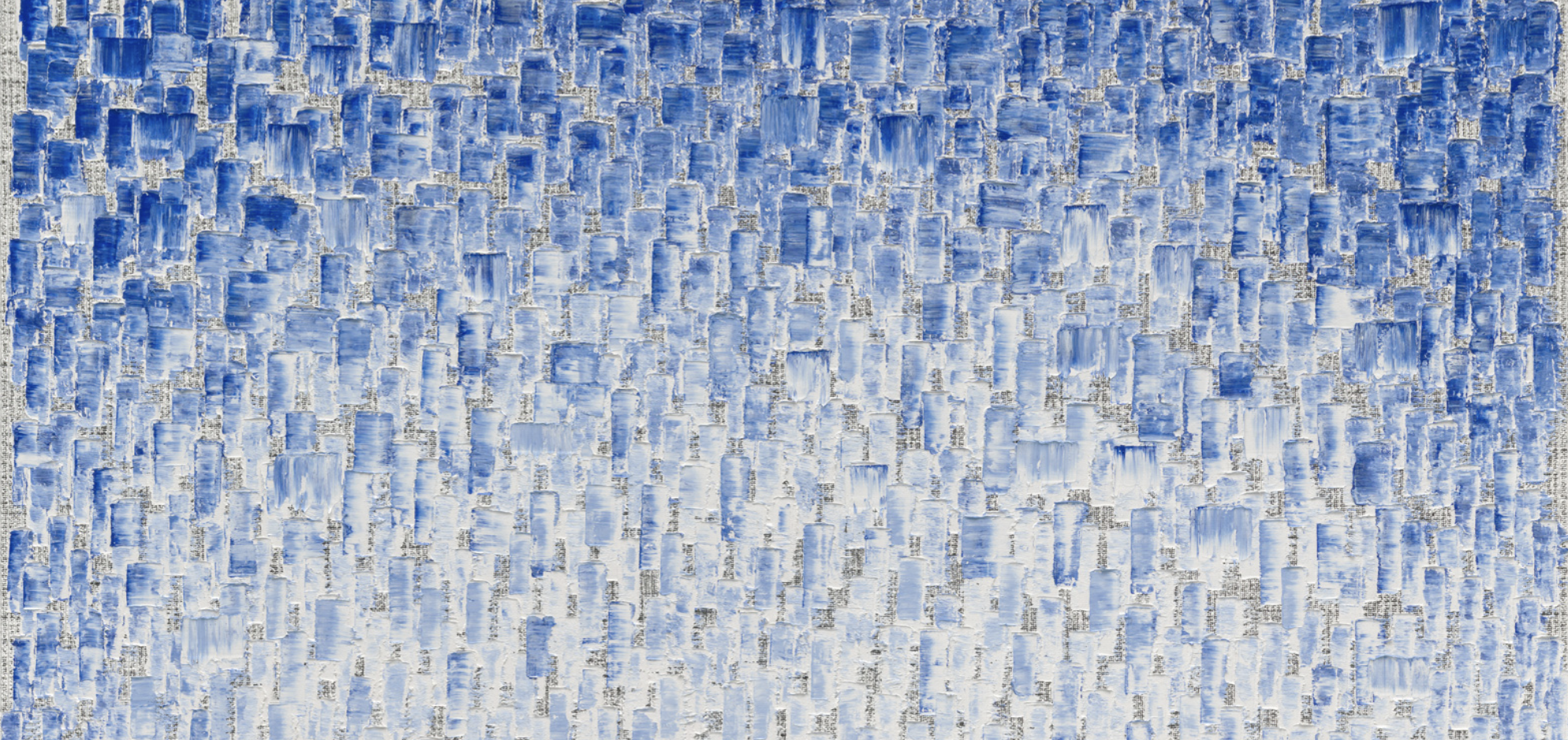
In the West, we are frequently (and regrettably) behind the curve when it comes to recognizing artists from the other side of the globe. Still, we are more myopic than usual when it comes to the emotional powerhouse of this 91-year-old painter.
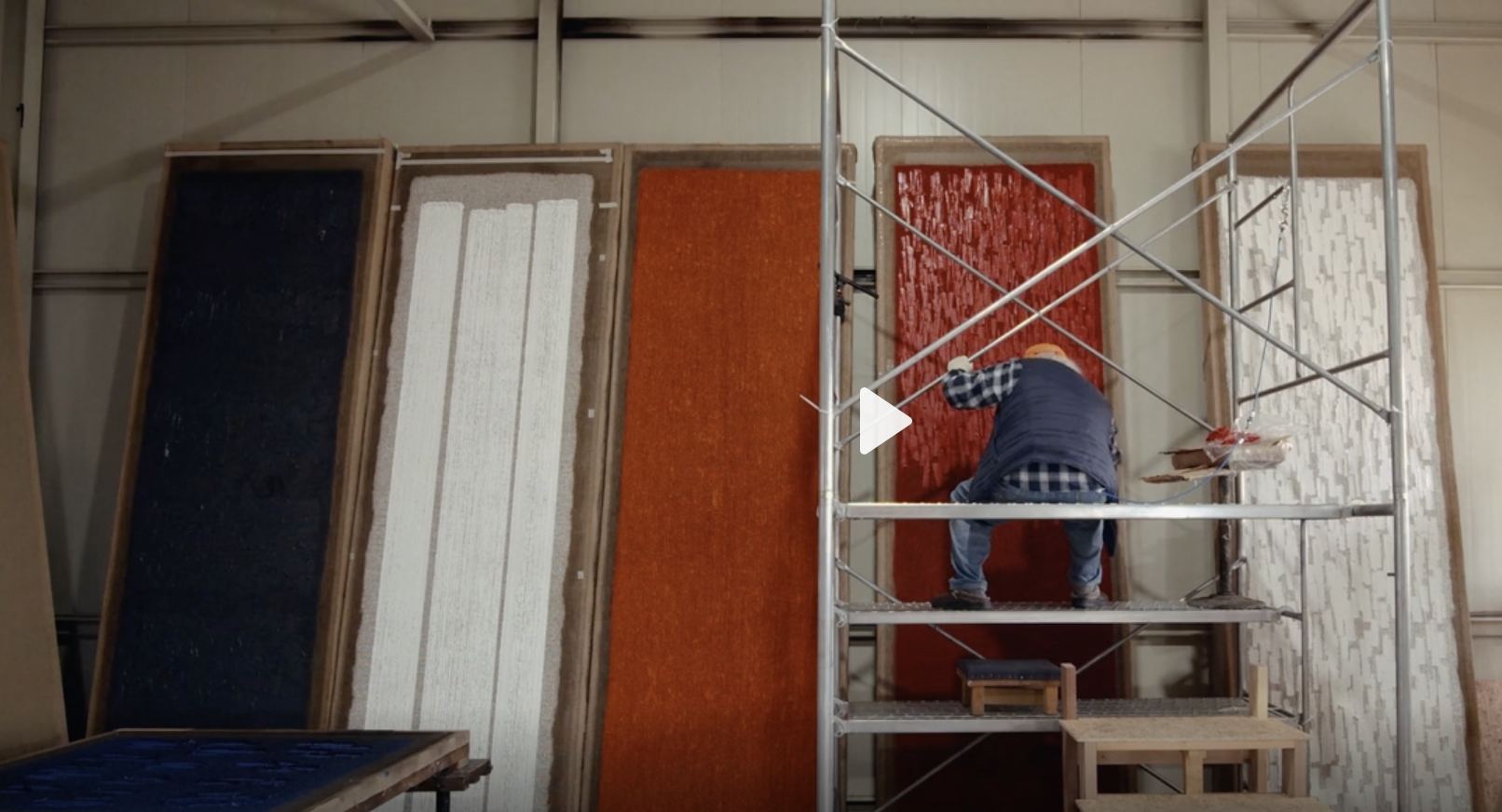
For over six decades, pioneering artist Ha Chong-Hyun has explored what painting becomes when freed from all existing conventions. Ha’s work prizes the interaction of his materials: using pressure, gravity, and tools ranging from torches to everyday utensils, he transforms the surfaces of canvases up to eight feet tall into a treasure trove of texture and physicality. His first museum exhibition in North America, Ha Chong-Hyun: Retrospective offers an unprecedented look at the creative evolution of one of Korea’s most influential contemporary artists.
Ha inspires not just artists, but anyone who is creative, who loves discovering materials. Viewers will understand that there is great depth and variety to his practice. He redefines painting not just as a purely visual idiom but as an experimental and experiential one.
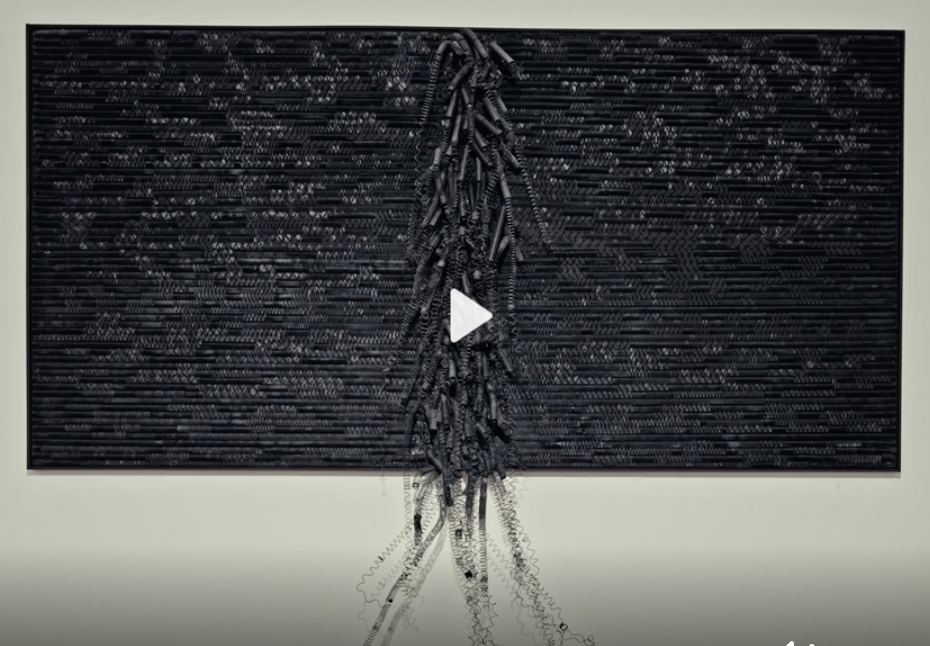
Artwork with metal springs
Ha’s World (and Ours)
Many people may not be familiar with the last 60 years of South Korea’s history as a country that has moved from oppression and poverty to the powerhouse it is today, not just financially but in the arts as well. Ha Chong-Hyun’s work demonstrates that history. His embrace of material, his dedication to process directly reflects the socio-political and economic times.
Modernly, with so much focus on technology, there is actually a hunger growing in us to reaffirm, to experiment with and to experience the act making something tangible. Ha helps us to see and to experience the tactile world. When you look at his work, you feel the material, whether it’s paint, paper or barbed wire, you are able understand not only how one sees, but also how one experiences the world around us. It changes us as human beings.
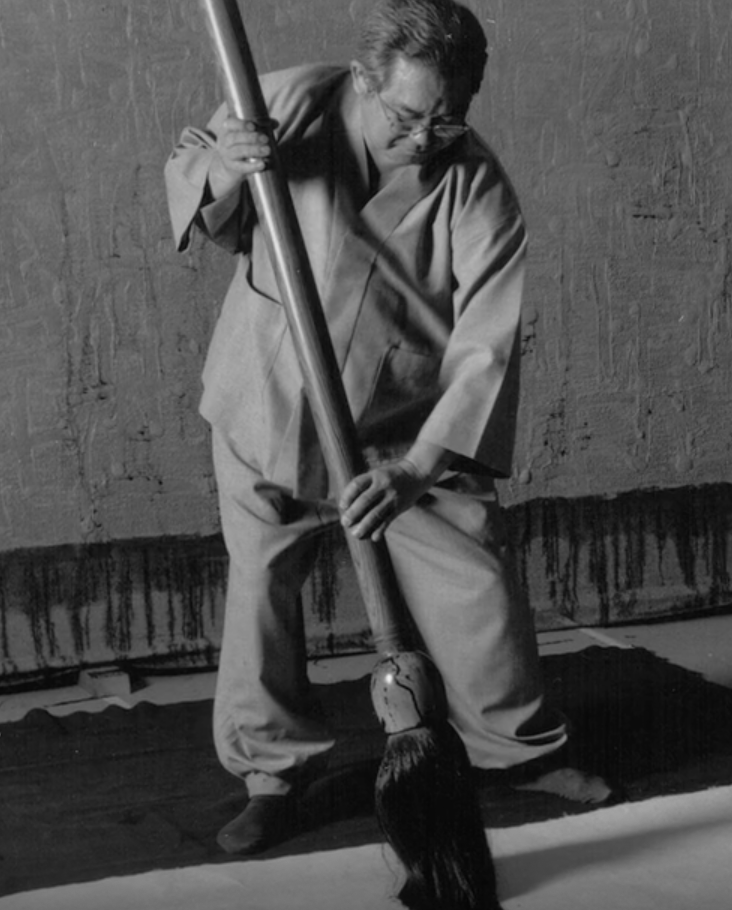
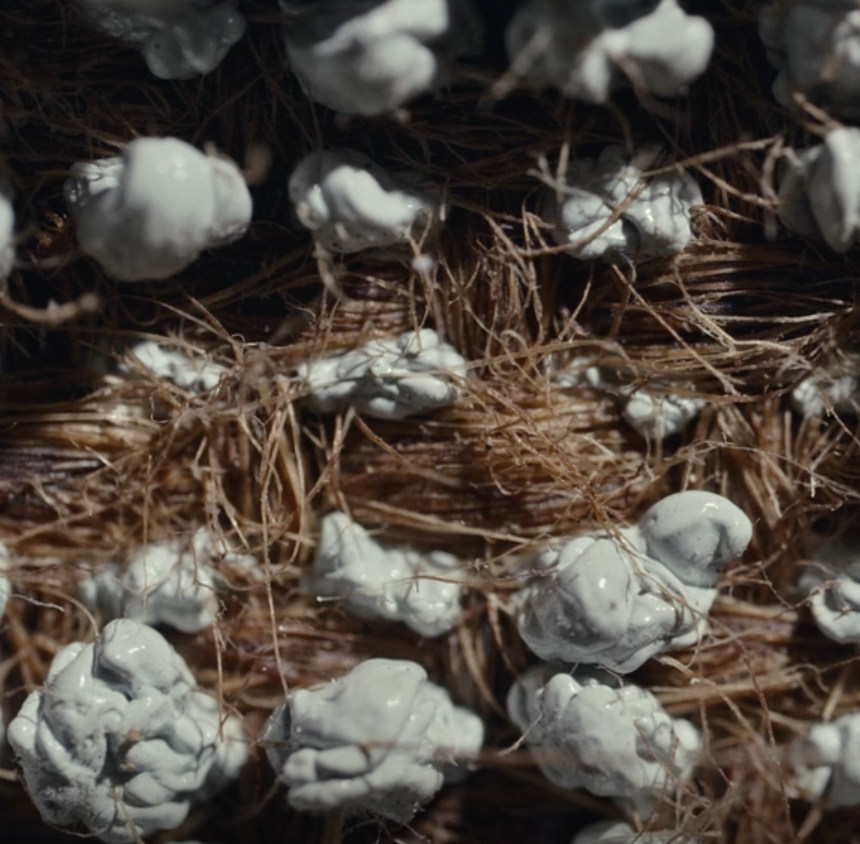
Portrait of the Artist as a Young (and Old) Man
Walking backwards through Ha’s life, it is obvious that he has been a revolutionary figure in Korean painting.
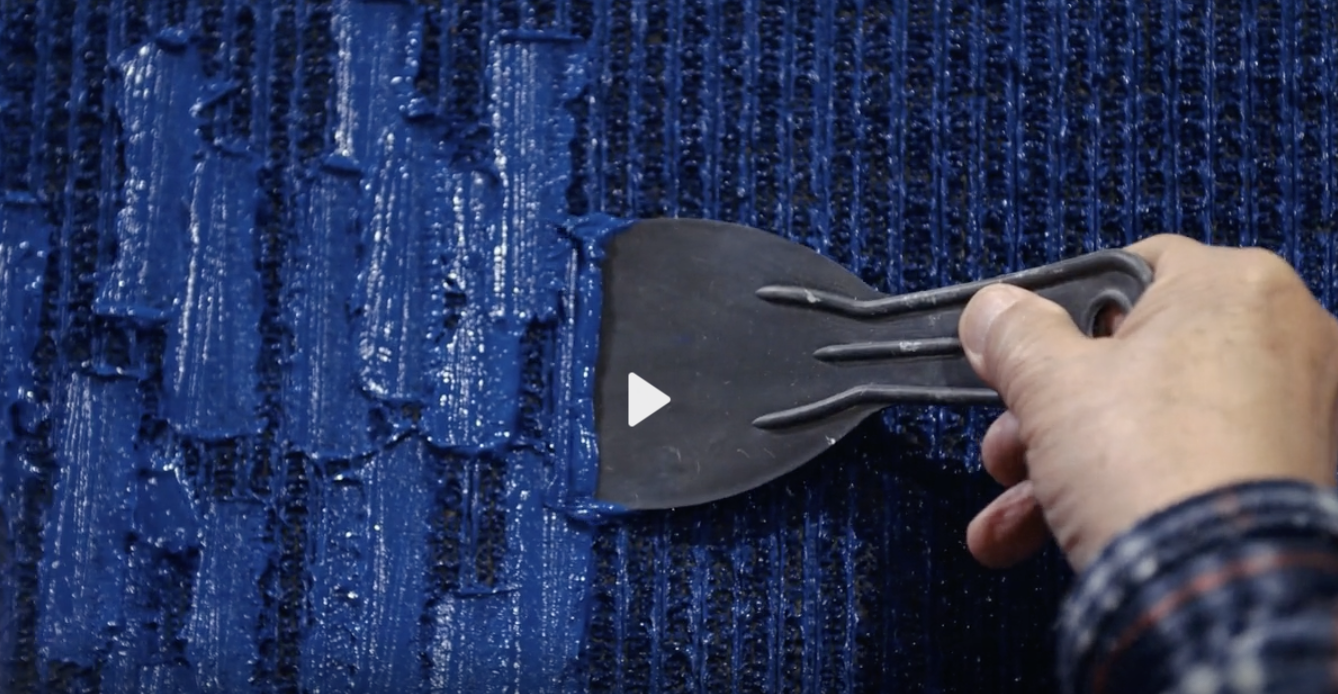
Back-Pressure Method 배압법
In both his “Conjunction” series (begun in 1974) and his “Post-Conjunction” series (beginning in the 2010s), Ha invented a new way of painting. “The technique he developed was really revolutionary. It hadn’t been done before,” says Max Bossier, director at Lisson Gallery, London.
He doesn’t paint on the surface, as one normally thinks about how to paint. He pushes thick oil paint from the reverse side of plain, coarsely-woven hemp or burlap canvases, literally forcing the paint to rise perpendicularly above the surface as it oozes out the front. On the “front” side, he then moved the paint around with various handmade tools to create something akin to brushstrokes.
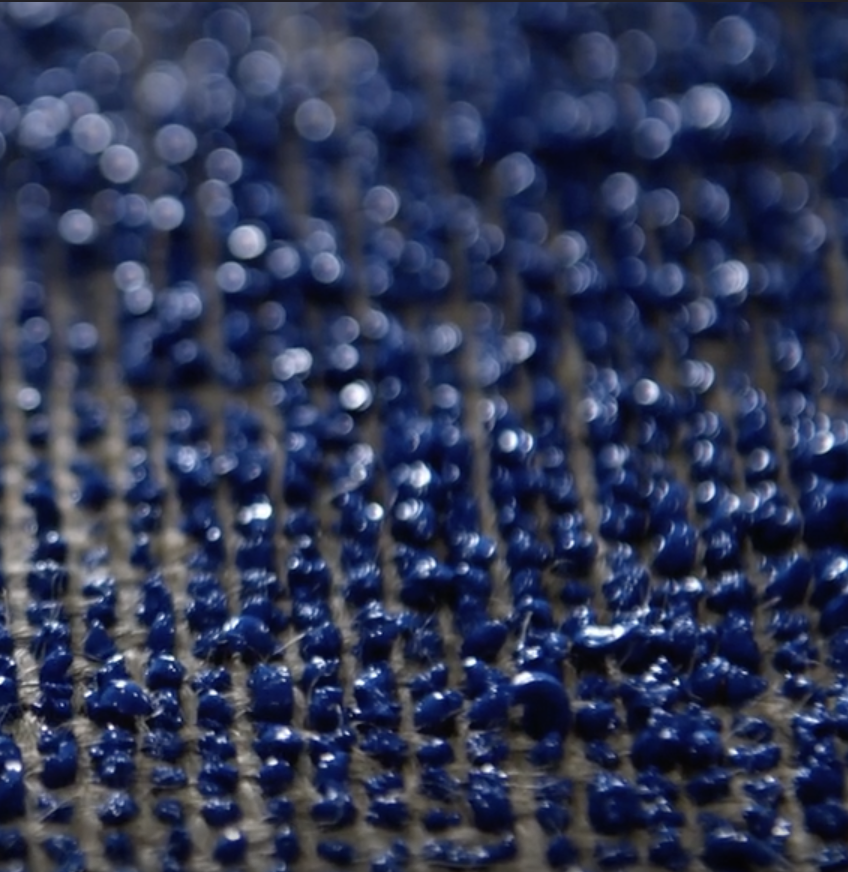
Unlike other contemporary works that emphasize flatness, Ha’s paintings expand space outwards. He invented this method after he asked himself to think differently about how artists paint. It gives his work a strong textural quality.
For Ha, his commitment to working back-to-front “has never meant simply repeating the same thing.” Over time, he introduced a number of different elements to his practice: holding a flame to the surface to singe the paint, using wooden slats instead of hemp as the support and, most recently, incorporating brighter colors. “I still believe, as I have always told my students, that ‘a painter should never allow the paint on his palette to dry.’ As long as my health allows me to stand in the studio, I want to keep working. There are still things I have not made and things I have yet to discover.”
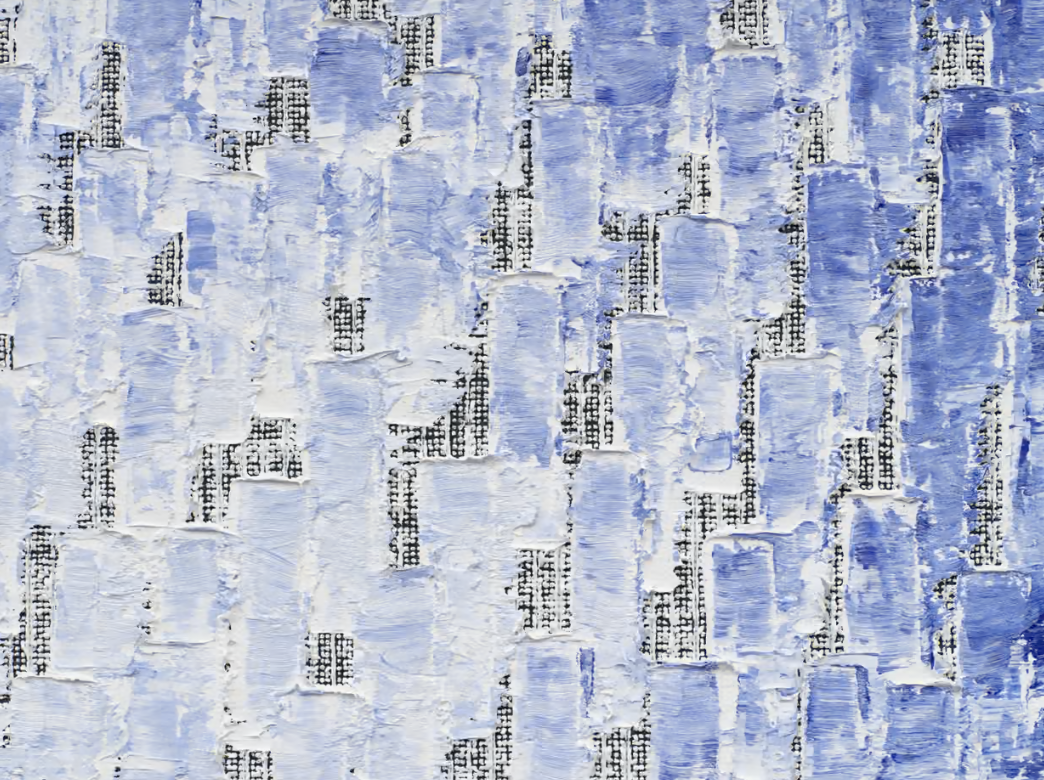
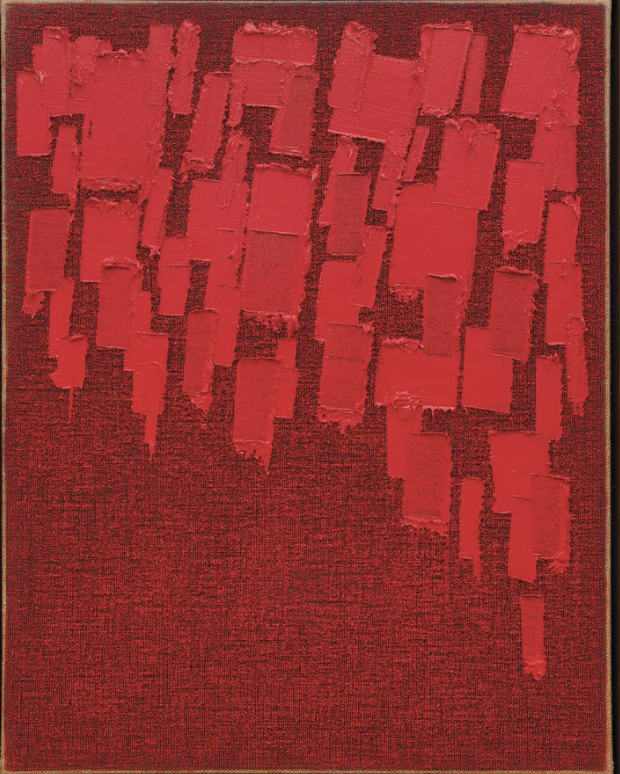
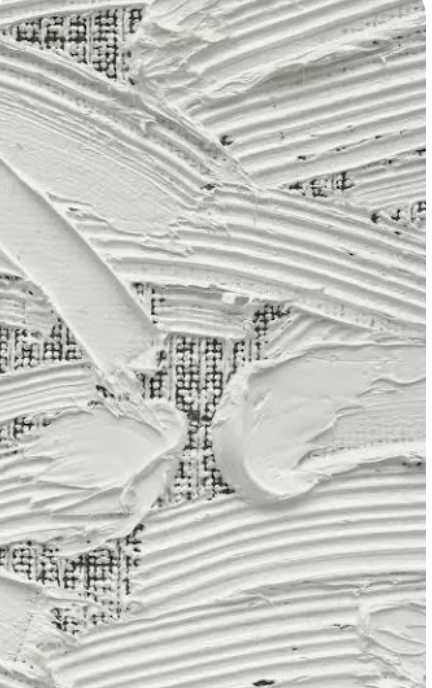
For each work in these series, Ha uses a single color. In the Conjunction series, those colors were neutral or muted tone such as white or brown. In his Post-Conjunction series, he has chosen to monochromatically explore vivid colors, especially reds and blues. At first glance, Ha’s pared-back abstractions may seem to share significant overlap with the other examples of non-representational painting that proliferated around the globe in the latter half of the 20th century. In particular, comparisons are often drawn to the work of US minimalists such as Robert Ryman, who famously restricted his palette to white and off-white paint. Such comparisons ignore the deep cultural specificity to Ha’s approach that is fundamental to understanding his art.
Since he began his Conjunction series, Ha as has named all his paintings some version of the name “Conjunction” because these works are the joining of the artist and the material, along with joining of the paint—it’s physical integration— with the canvas.
Dansaekhwa
Dansaekhwa emerged as a landmark, historical art movement in post-war Korea, around 1970. It is loosely related to the Western monochrome tradition and is sometimes translated as “the school of white.” Dansaekhwa artists each have a unique philosophy but many overlapping concerns unite their work. These include a strong aesthetic ideal focused on the unity between artist and nature as well as a very refined approach to mark making. Ha is a pivotal figure in Dansaekhwa.
Many of Dansaekhwa’s points of reference are rooted in traditional Taoist and Buddhist philosophy. Its emphasis on native cultural idioms was politicized during the late-20th century when post-war Korean identity was in a state of radical flux. During those tumultuous times, Dansaekhwa evolved and helped shape modern Korean art history. While specifically rooted in a Korean context, Dansaekhwa must be seen as having important formal and conceptual links to parallel movements in Japan and the West, including Gutai, Mono-ha and Abstract Expressionism.
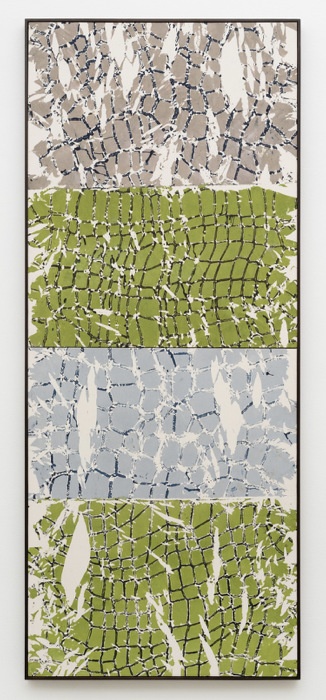
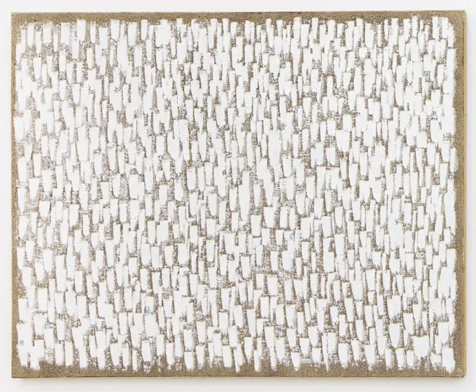
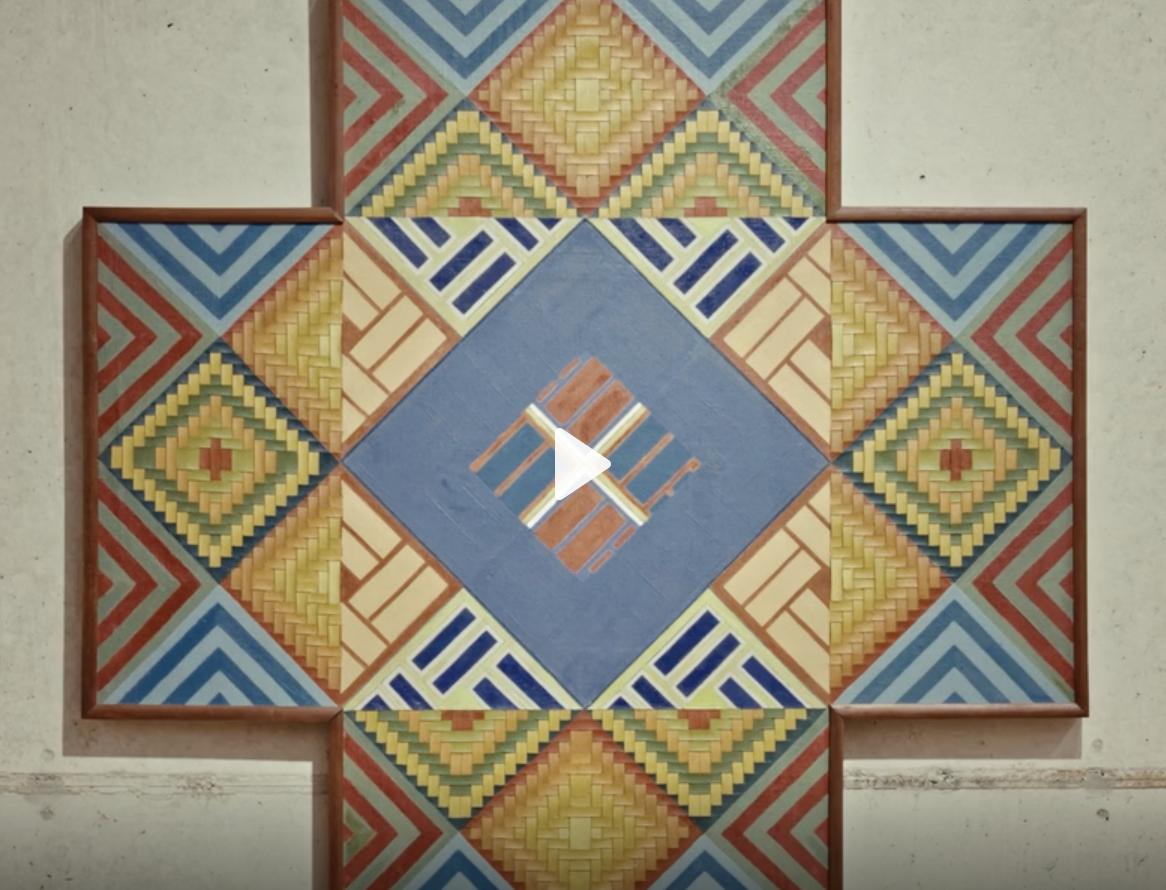
For Ha, this period of dramatic social change provided an opportunity to challenge and reinvent the role of art in Korea. Confronting contradictions with the West enabled him to explore subjects of consciousness and postcolonial identity alongside the formal attributes of painting. Within the broad terms of Dansaekhwa, the late 20th century provided a fertile milieu for Ha to invent a uniquely powerful body of abstract work that continues to evolve and challenge audiences today.
Korean Avant Garde
In 1969, Ha co-founded the Korean Avant-Garde Association (AG), which included artists and critics in their thirties who sought to generate a new formative direction for Korean art under the banner of avant-garde. Ha, then 34, challenged conventional views on mediums, and fostered dynamic interactions between different materials by incorporating objects like barbed wire and springs into his works.
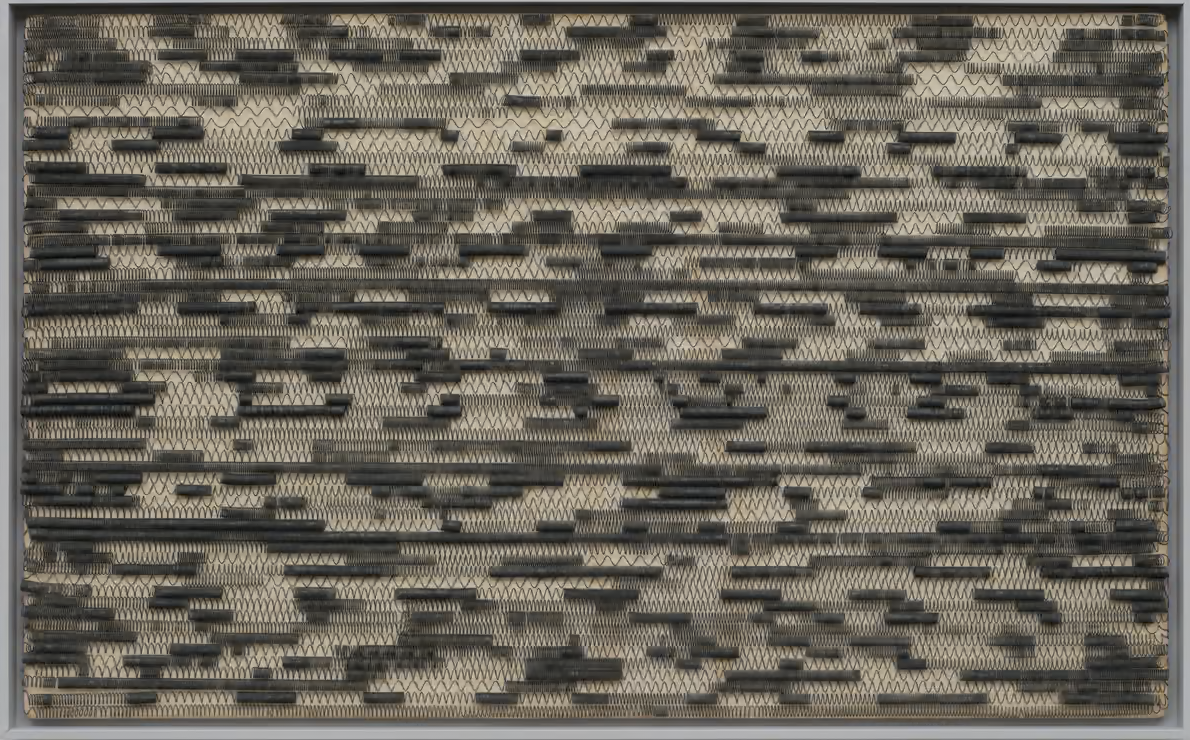
White Paper on Urban Planning No. 5
(painting with barbed wire)
“I remember how rapidly Seoul was changing at the time,” Ha says. “The city was emerging from the devastation of war: new roads were being laid out, new buildings were rising, and the environment around us was becoming increasingly geometric and architectural. I wanted to bring something of that order and energy into my painting.”.
Beginning in the 1950s
Before AG, Ha had been associated with Art Informel in the 1950s and geometric abstraction in the late ’60s. Throughout his work, Ha has consistently explored the properties and possibilities of materials, while in dialogue with the broader concerns and discourses of the Korean art scene.
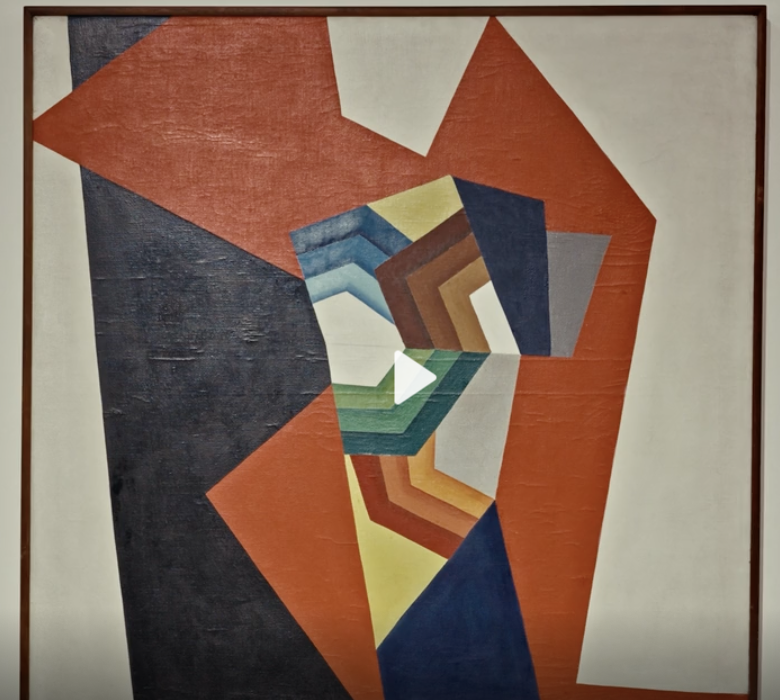
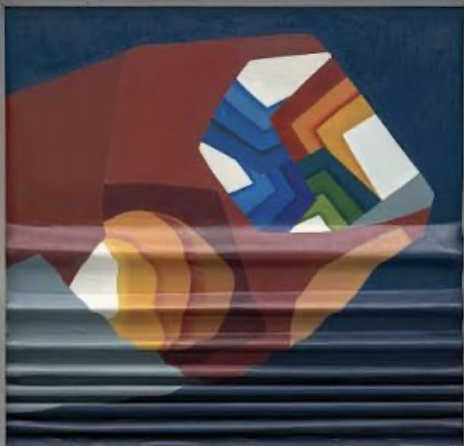
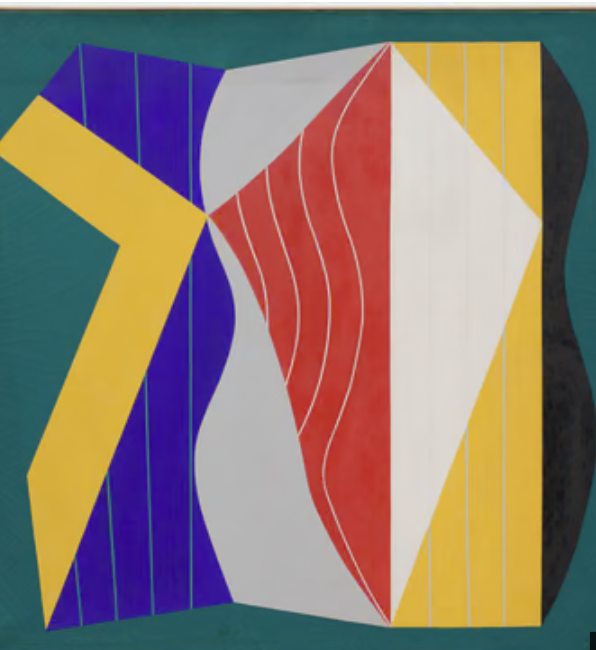
His focus on materiality, form and process reveals a deep commitment to examining the intersections between physical and conceptual aspects of art. Ha’s ongoing exploration solidifies his place as a significant contributor to the dialogue surrounding contemporary painting in a global context.
My thanks to Gabrielle Schwarz, The Guardian [London] & Tina Kim Gallery [New York]
For more information, click here.