Hippie Billionaires
Fisher Collection Reimagined
SFMOMA
Ongoing
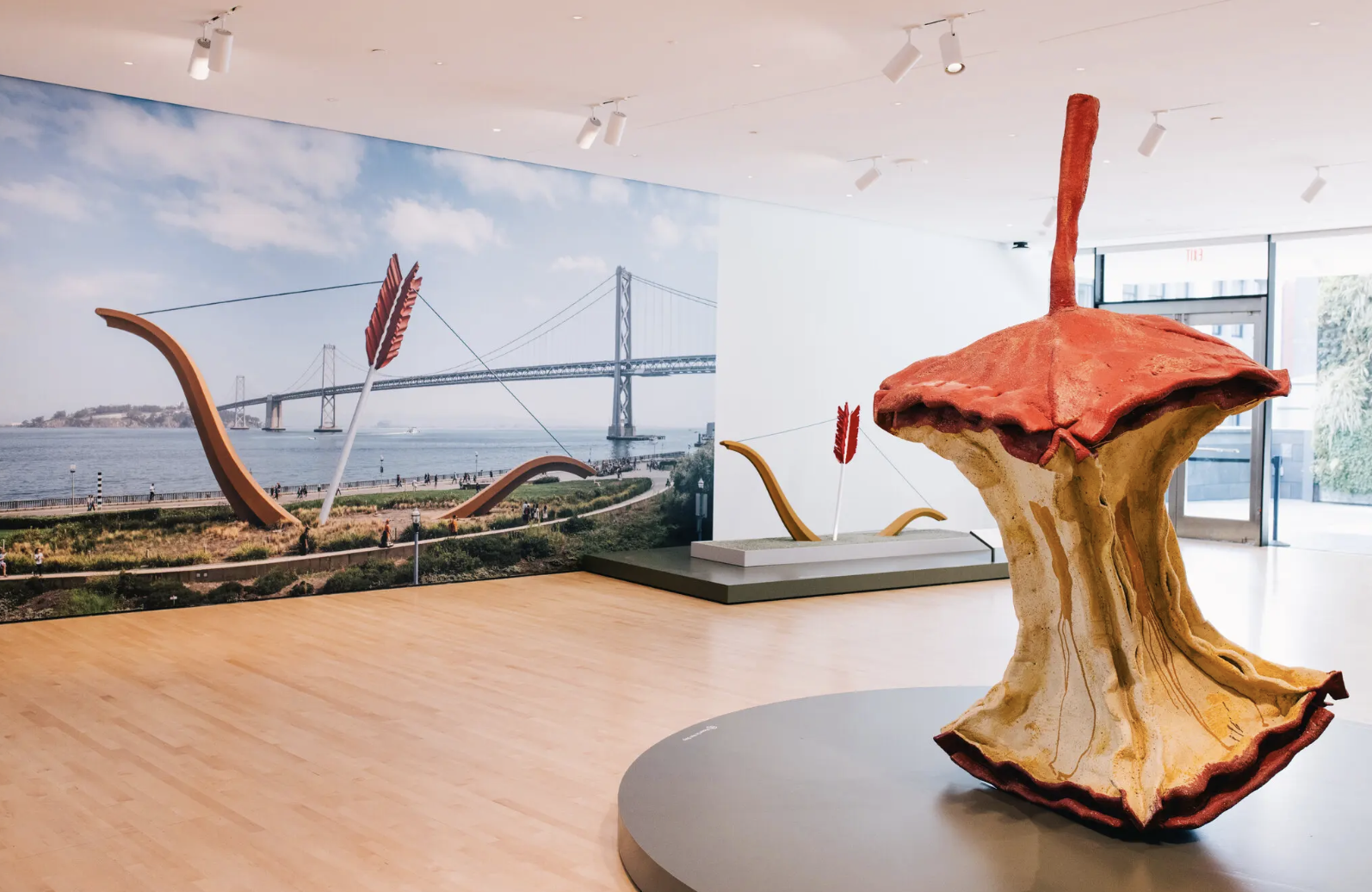
Geometric Apple Core by Claes Oldenburg and Coosje van Bruggen, a married couple who specialized in oversized sculptures of common objects. In the background is a representation of Cupid's Span, their 60-foot-tall sculpture. Installed in 2002, it is located in Rincon Park along the Embarcadero.
In 1969, Doris and Donald Fisher sold Levi’s jeans, records and tapes, mostly to teenagers and college students who lived in their San Francisco neighborhood. As the story sometimes goes … from there, they grew an international clothing empire which now includes the Gap, Banana Republic, Old Navy and Athleta.
Of course, the Fishers became billionaires. More interestingly, they became passionate art collectors, not weirdos locked in stupid competitions with phallic erector sets for exploring space. Instead, the Fishers celebrated creativity, filling their homes and offices with modern and contemporary works by artists who had achieved their own global prominence — Roy Lichtenstein, Alexander Calder and Joan Mitchell among them.
Some of my Best Friends
Gerhard Richter and Ellsworth Kelly and others became Fisher family friends. The Fishers made an effort to get to know the artists personally,” says Executive Director of the Fisher Art Foundation Laura Satersmoen. “During their travels, they would often visit artists in their studios: Agnes Martin in Taos, Anselm Kiefer in Paris, Beverly Pepper in Italy. When artists came to San Francisco, they would come to meet Doris and Don and see their work displayed at Gap Headquarters.” A new display in the SFMOMA Floor 4 City Galleries will explore how the Fishers built their collection over four decades and provide a glimpse into their relationships with the artists.
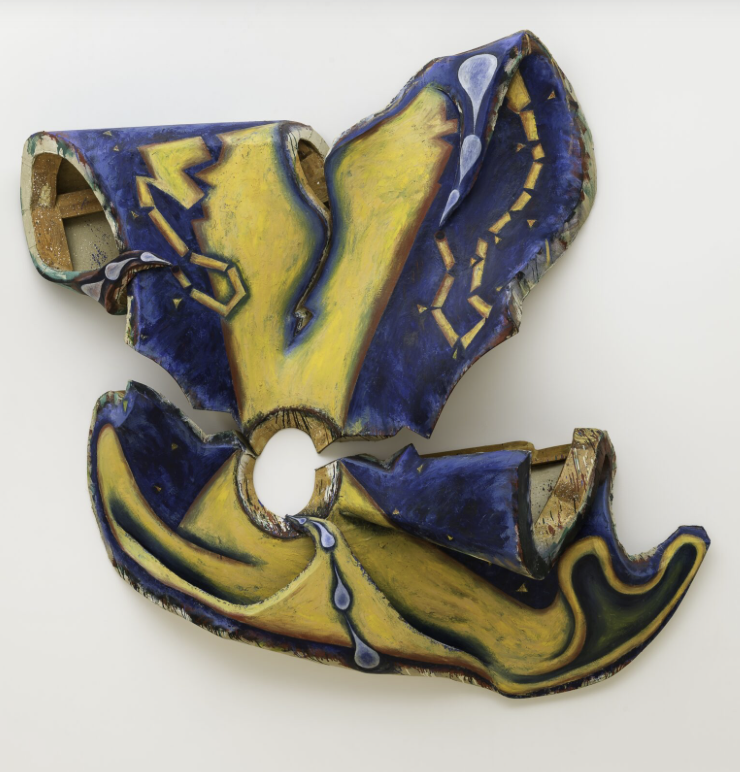
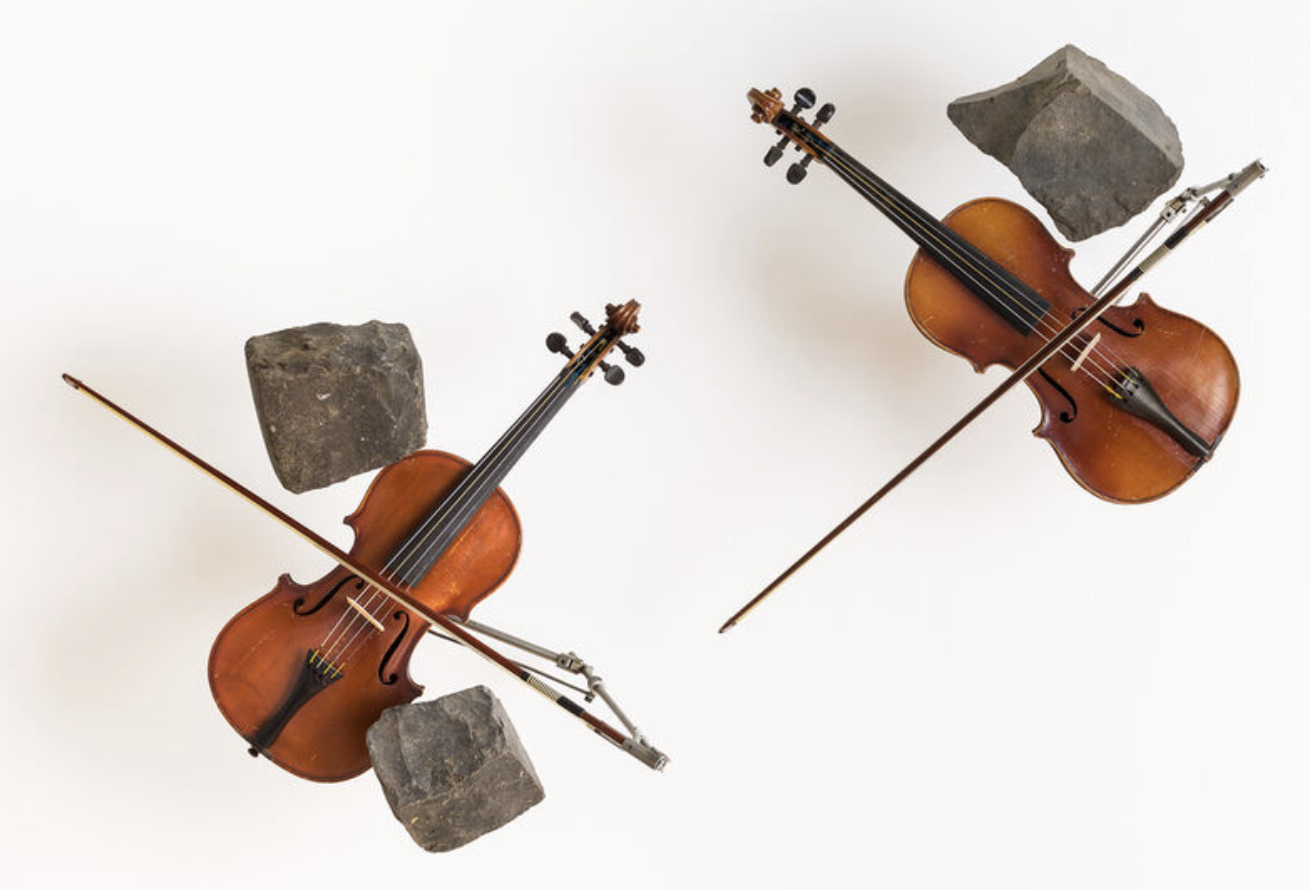
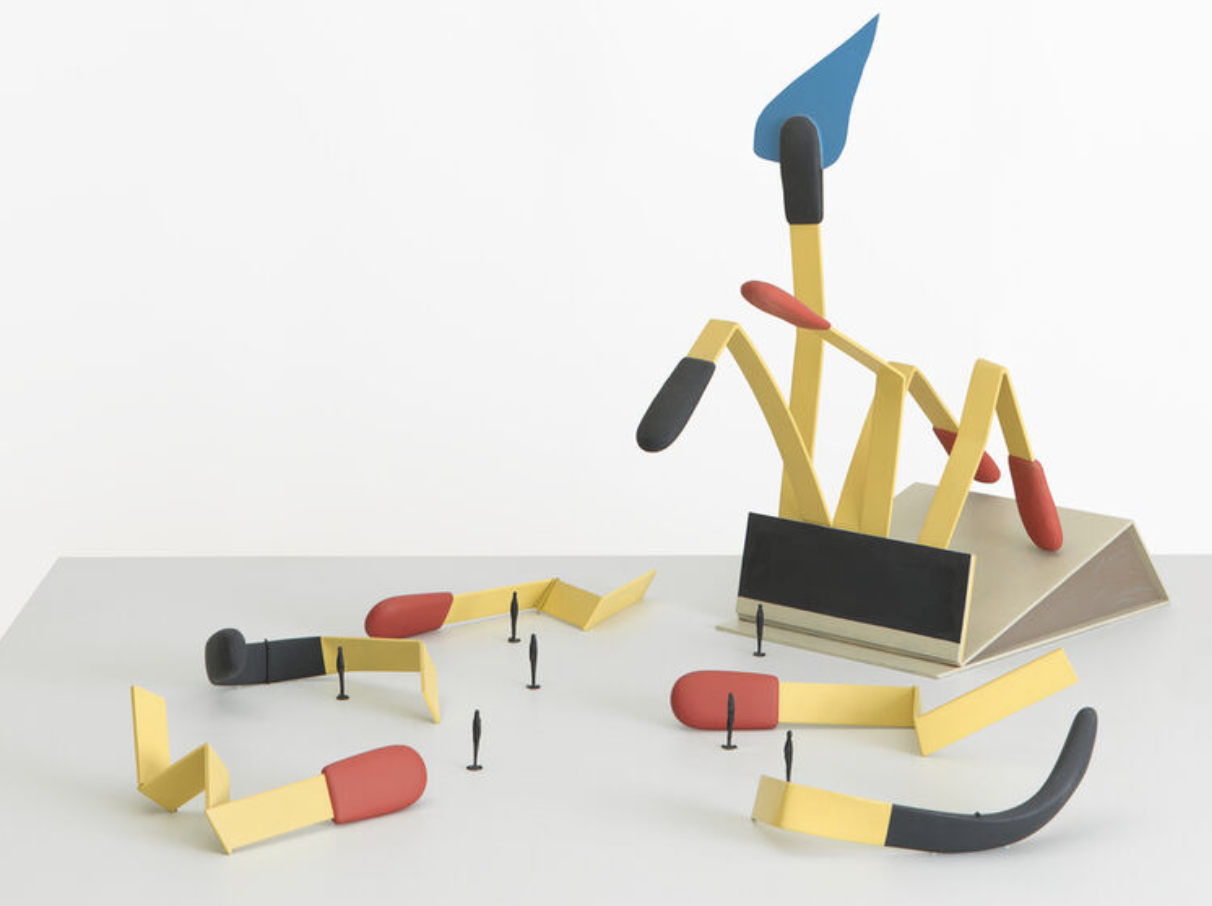
L2R: Elizabeth Murray: Things to Come; Rebecca Horn: Seufzer der Steine (The Sighs of Stones) and Claes Oldenburg and Coosje van Bruggen: Sculpture in the Form of a Match Cover.
Donald Fisher died in 2009 at 81. As I write this, Doris has passed away, her death announced yesterday. Shortly before Donald died, the couple and their three sons decided it was time to open the collection to the public. Native San Franciscans all, there was only one city where they felt it belonged.
Enter SFMOMA and a groundbreaking 100-year partnership to house the prestigious Doris and Donald Fisher Collection of postwar and contemporary art. This long-term loan features over 1,100 works by 185 artists, including major pieces by Andy Warhol, Agnes Martin and Richard Serra.
After ten years on view, the display has been refreshed for 2026. In Reimagined, SFMOMA has embraced the opportunity to reinvent by fully rehanging and redeveloping the collection’s dedicated galleries on Floors 3-6. The renewed installation foregrounds storytelling and visitor experience. “It was clear from the beginning that we wanted to reconceive how we present this collection, to tell new stories and make new connections between artists and artworks,” Ted Mann, project assistant curator of the Fisher Collection.
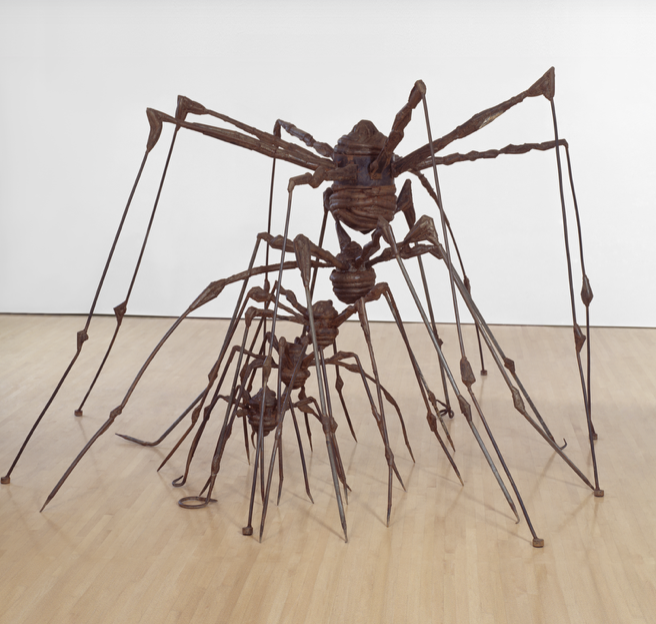
Louise Bourgeois: The Nest. For Bourgeois, the spider embodied an intricate and sometimes contradictory mix of psychological and biographical allusions. Part reference to her mother, part to herself, the spider represents cleverness, industriousness and protectiveness. Bourgeois directly associated the weaving of a web to her mother’s tapestry needlework. She also referred to spiders as both fierce and fragile, capable of being protectors and predators.
Broader Vision
Refreshing the Fisher Collection does not mean that the works all got a good dusting. Rather this exhibition seeks to prioritize the viewer experience, reaching out to visitors to provide a layered interaction; offering some techniques to embrace visitors for the first time in the Museum’s 90-year existence.
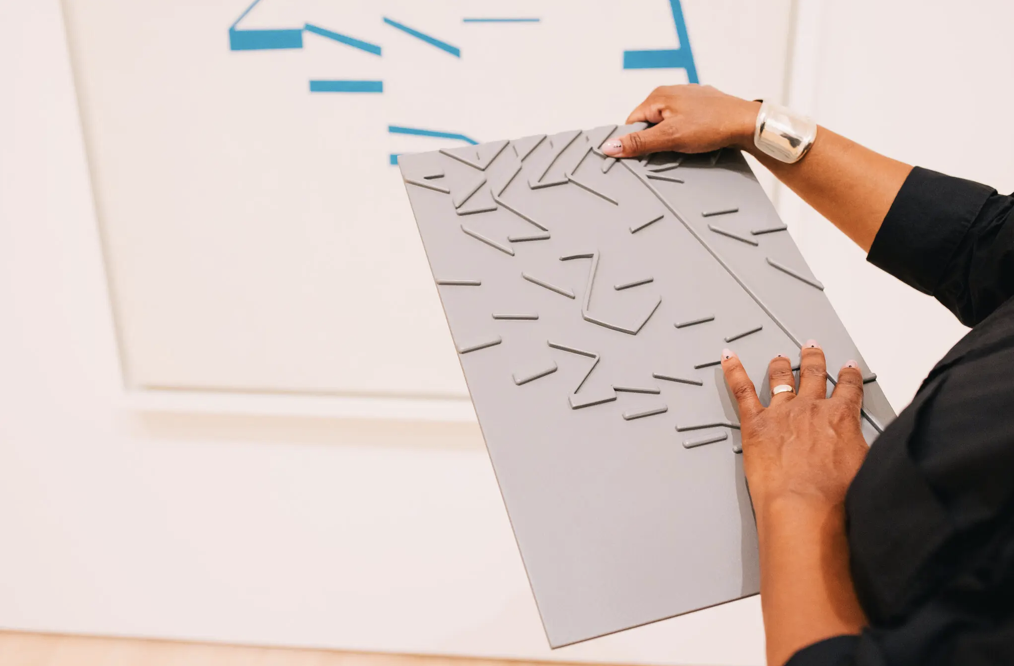
To create accessible experiences across all four floors, multisensory offerings and plentiful seating welcome a broad audience. “We’re hoping, through resources like visual descriptions, touch objects and other affordances, to give visitors a richer, more accessible experience in our galleries,” said Manager of Interpretation Kerry Butcher, “These offerings provide new avenues for people to experience and connect with the collection.”
These 250 pieces (including 40 works on view for the first time) herald a major change in display and approach:
The works appear in thematic groupings;
Artwork is displayed with background material never used before, including
Photographs, videos, audio and QR codes to access more information;
Design elements to help blind and disabled visitors appreciate the art, and
Hands-on creative space for children (and adults).
The intent is to place the artist and the work in a wider historical, political and social context. “This is a pilot for the whole museum,” said Christopher Bedford, SFMOMA director, who described the change as “an aspirational approach” to appeal to visitors, regardless of their age, demographic or knowledge of art.
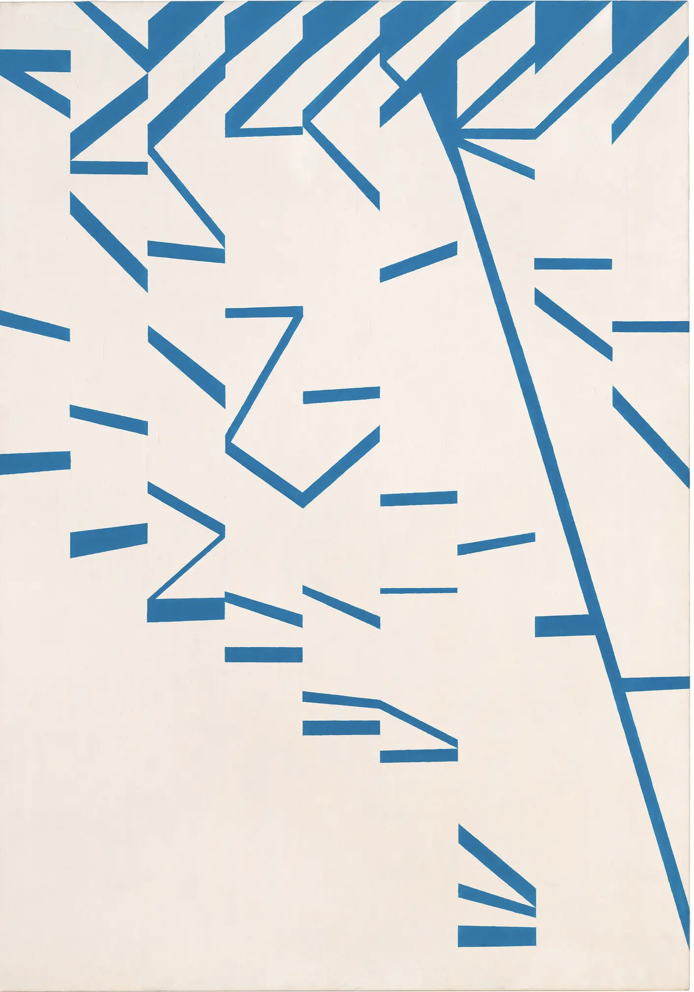
La Combe III by Ellsworth Kelly, pioneering American painter, sculptor and printmaker whose work is fundamental to Hard-Edge painting, Color Field painting and Minimalism. His paintings are characterized by large, flat, boldly colored geometric shapes. Kelly conceived his works as a distillation of observed reality. He described them as a "fragment of visual experience" that removed representation to allow color and form to exist on their own terms. In La Combe III, Kelly took an ordinary old stairway in Paris and abstracted it into scattered blue lines that reflect on this interpretive process. The title is French for “little valley.”
A mock-up of a reading board for the blind for the painting La Combe III.
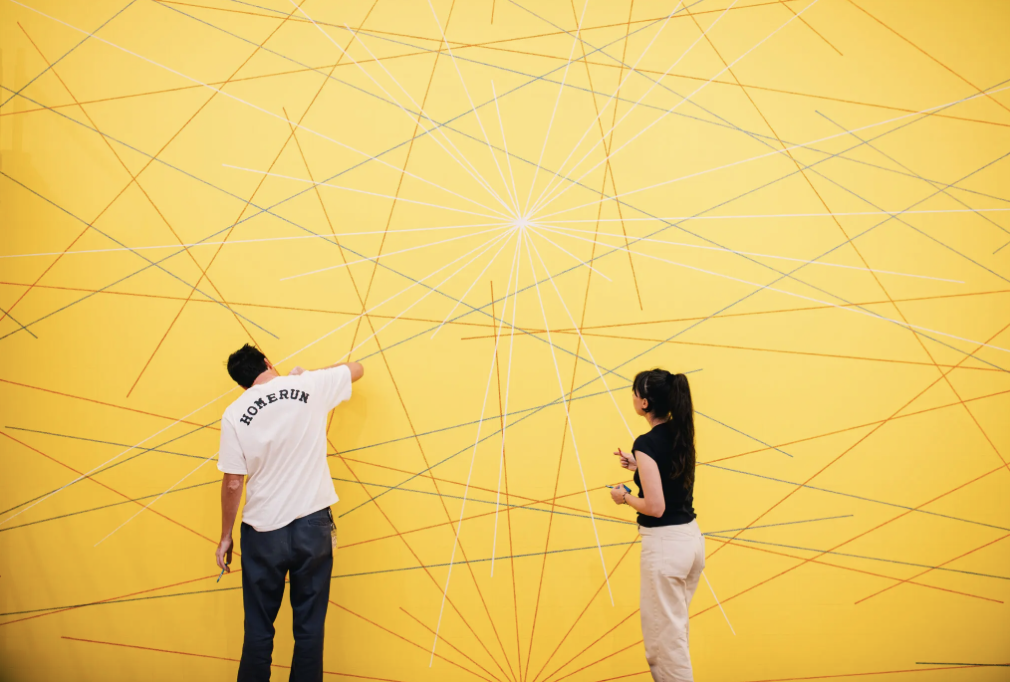
Artists are invited to work on Sol LeWitt wall paintings, including Wall Drawing 280.
Messiness in Context
The show includes seven works by Chuck Close, an American photorealist painter. Beginning in 2017, during #MeToo, Close was publicly accused of sexual misconduct by many of this models. These allegations prompted major museums to cancel or postpone showing his work. Close died in 2021, after partially acknowledging the abuse. In the Fisher show, the allegations are included in the background information. “I deeply disapprove of erasure from history,” said Bedford, who favors presenting artists “in all their messiness.”
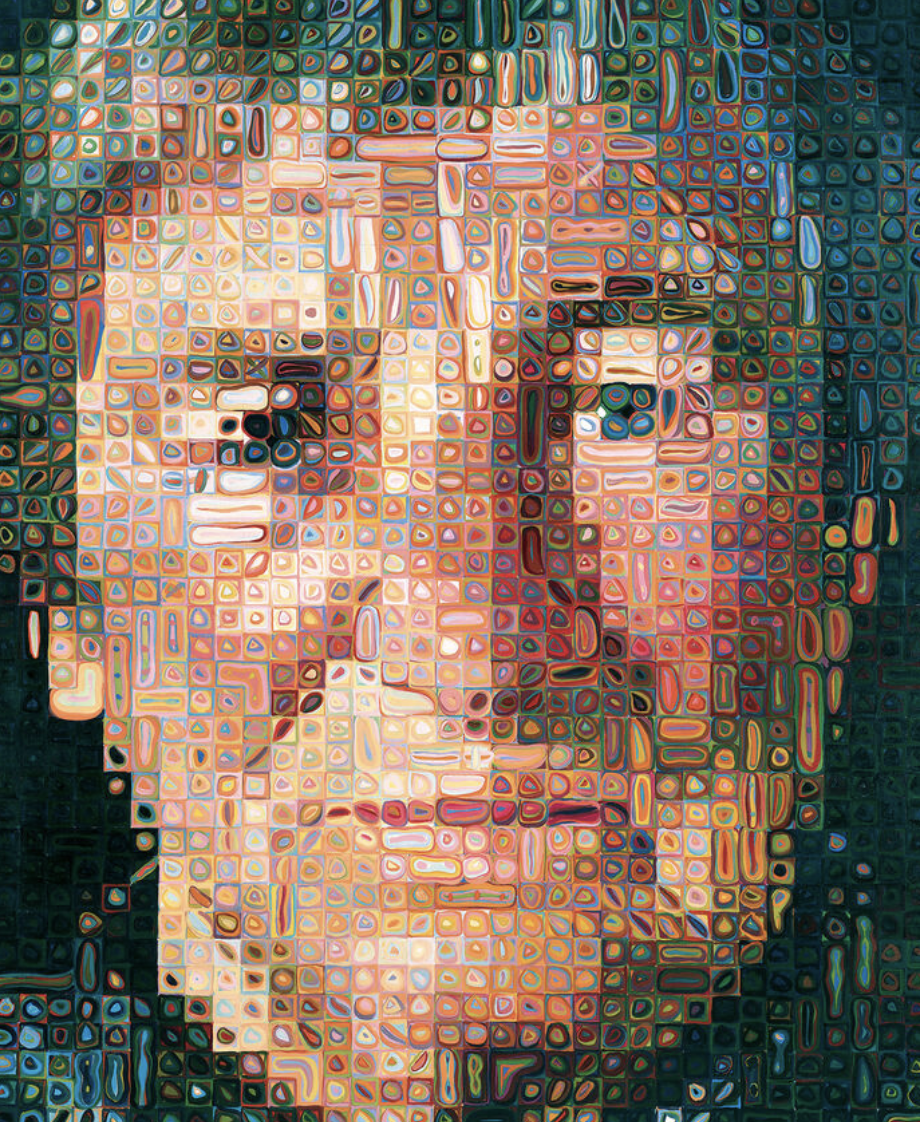
Chuck Close: Agnes
SFMOMA’s approach to context by including information on the personal unsavory behaviors of artists should save these works from the Guerilla Labeling techniques found on artworks at the Met in NYC, placing artworks on hold and not displaying them a la the National Gallery of Art in DC or the silent mass protests at Museu Picasso in Barcelona.
My thanks to Michael Janofsky, New York Times
For more information, click here.