An American Story
Masaki Fujihata: BeHere/1942
A New Lens on the
Japanese American Incarceration
Oakland Museum
Ongoing — December 27
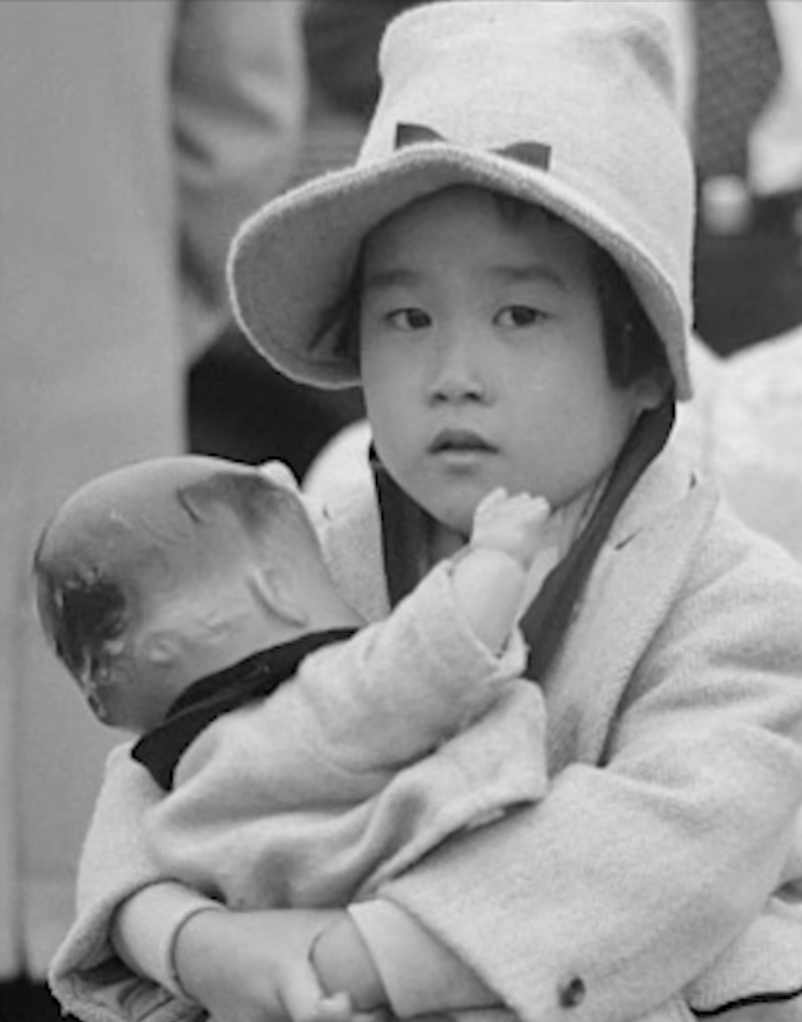
Michi Tanioka, clutching her (white) doll, waiting for the forced evacuation bus
It is hereby ordered that from and after 12 o’clock noon, P.W.T., of Friday, April 3,, 1942, all persons of Japanese ancestry, both alien and non-alien, be excluded from…
The Fundamentals
A transformative experience engulfs the visitor in the history, art and culture of the Japanese American community. Created by Japanese artist Masaki Fujihata, BeHere/1942 is an immersive multimedia exhibition that uses augmented reality (AR), video and historic photography to explore the forced removal of Japanese Americans during World War II.
This exhibition mobilizes a variety of media forms to let visitors engage in new ways with this dark historical moment. The forced expulsion of Americans of Japanese descent from California was extensively documented by professional photographers (mainly Dorothea Lange in the Bay Area and Russell Lee in LA).
Images of families waiting to be taken off to the camps have become icons of the incarceration. Through careful curation of the lesser-known photographs by Lange and Lee, BeHere/1942 invites visitors to see things in the photographic archive that they never knew were there. By zooming and scaling the images, visitors are able to virtually enter the moment when Japanese Americans gathered to board buses and trains toward confinement sites like Manzanar and Tanforan.
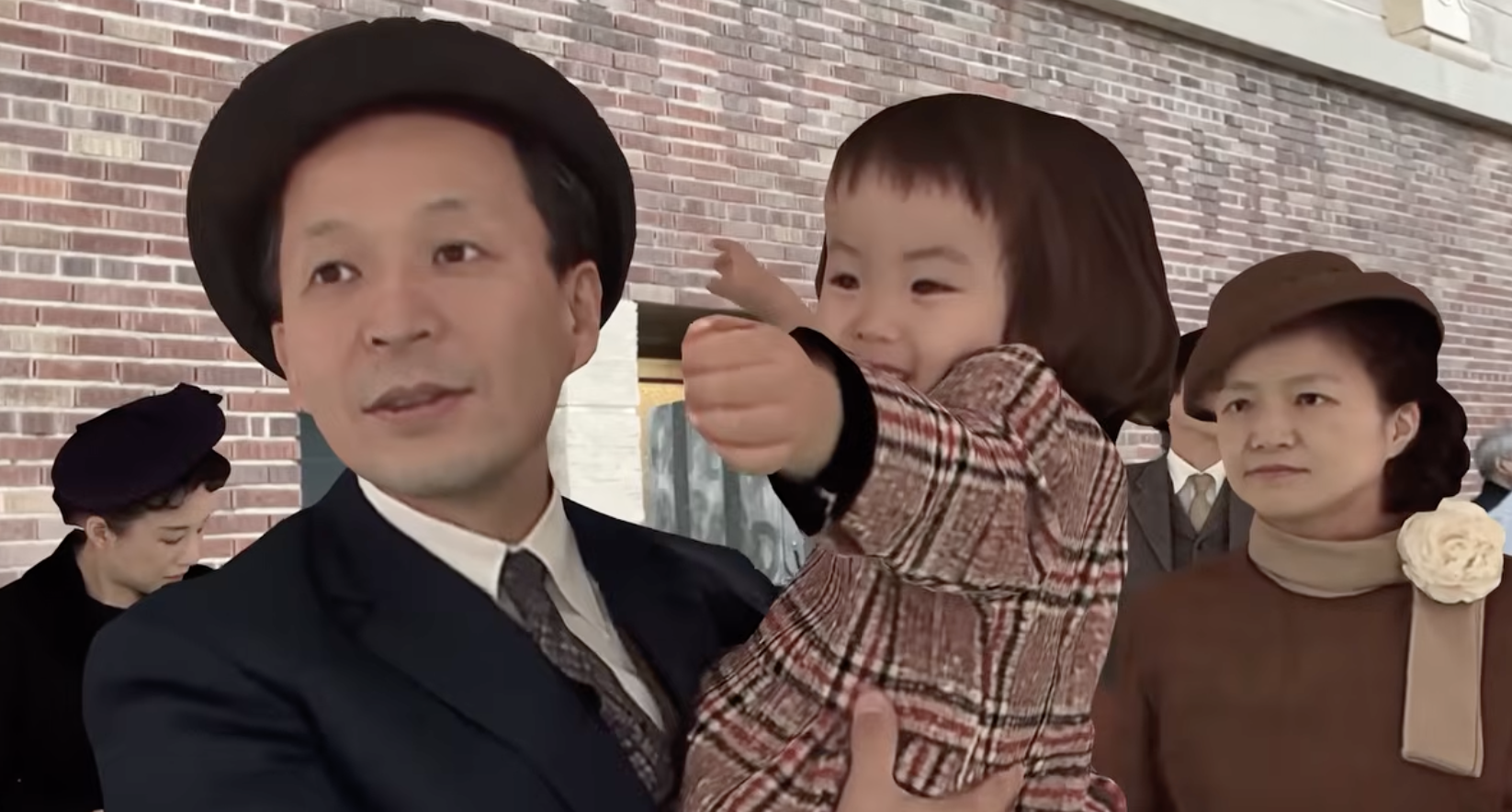
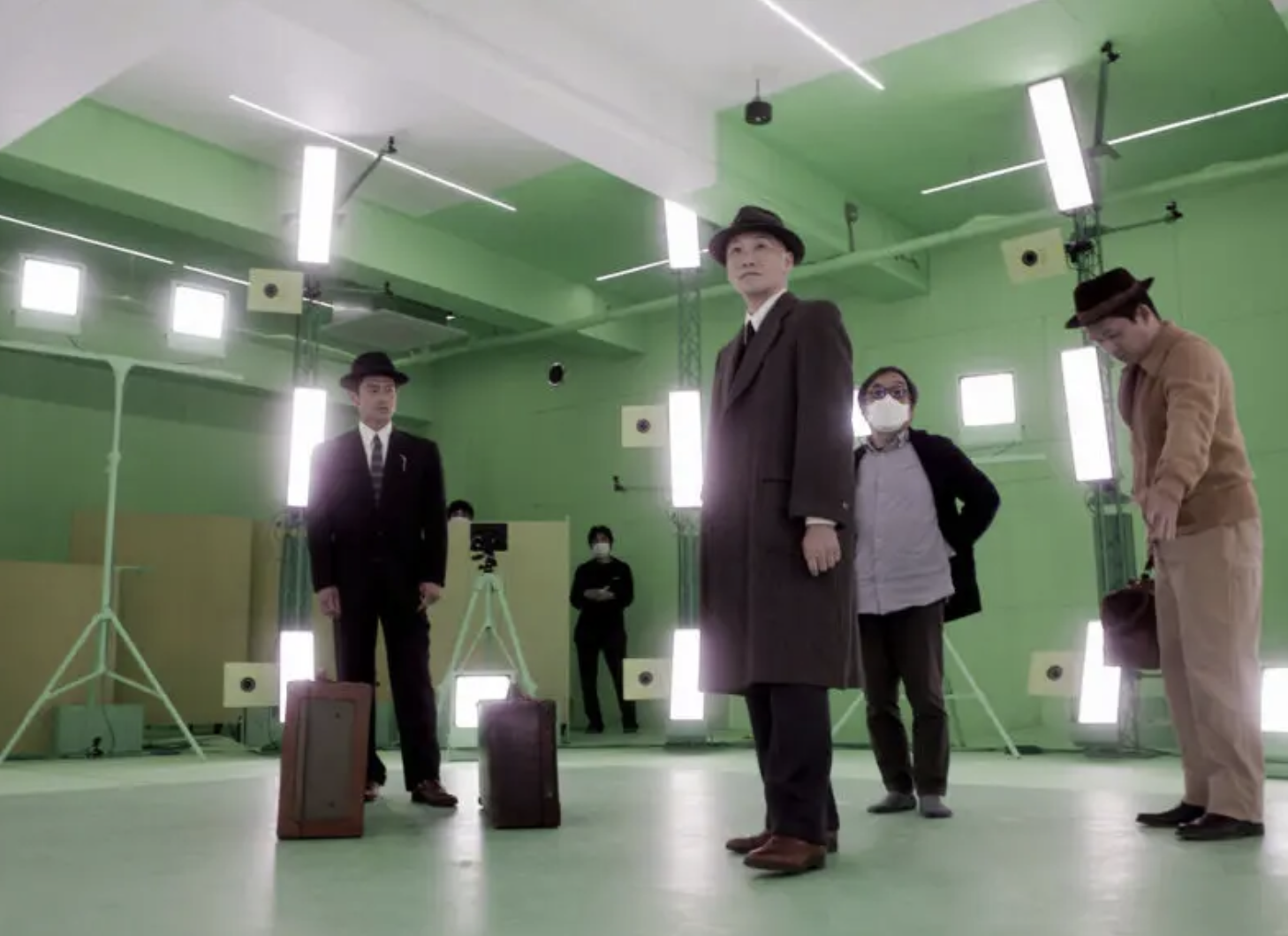
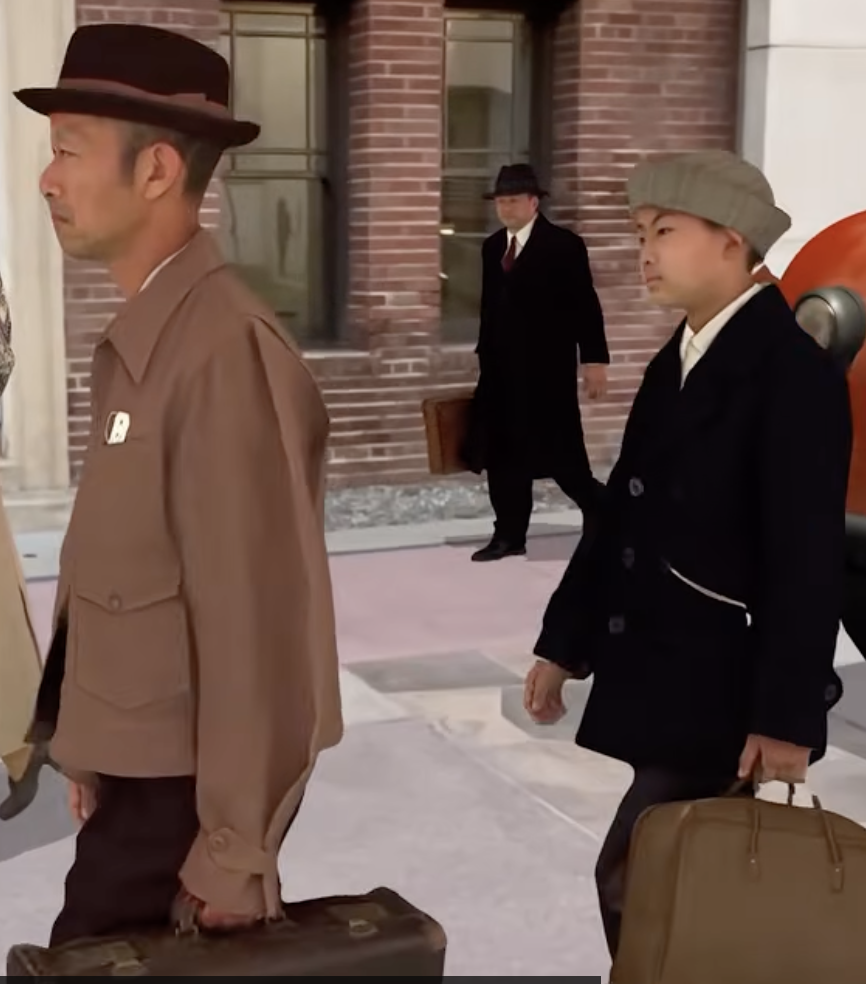
Using multiple technologies, Fujihata is able to create life-sized versions of Lange and Lee photos to bring the forced evacuation experience to life.
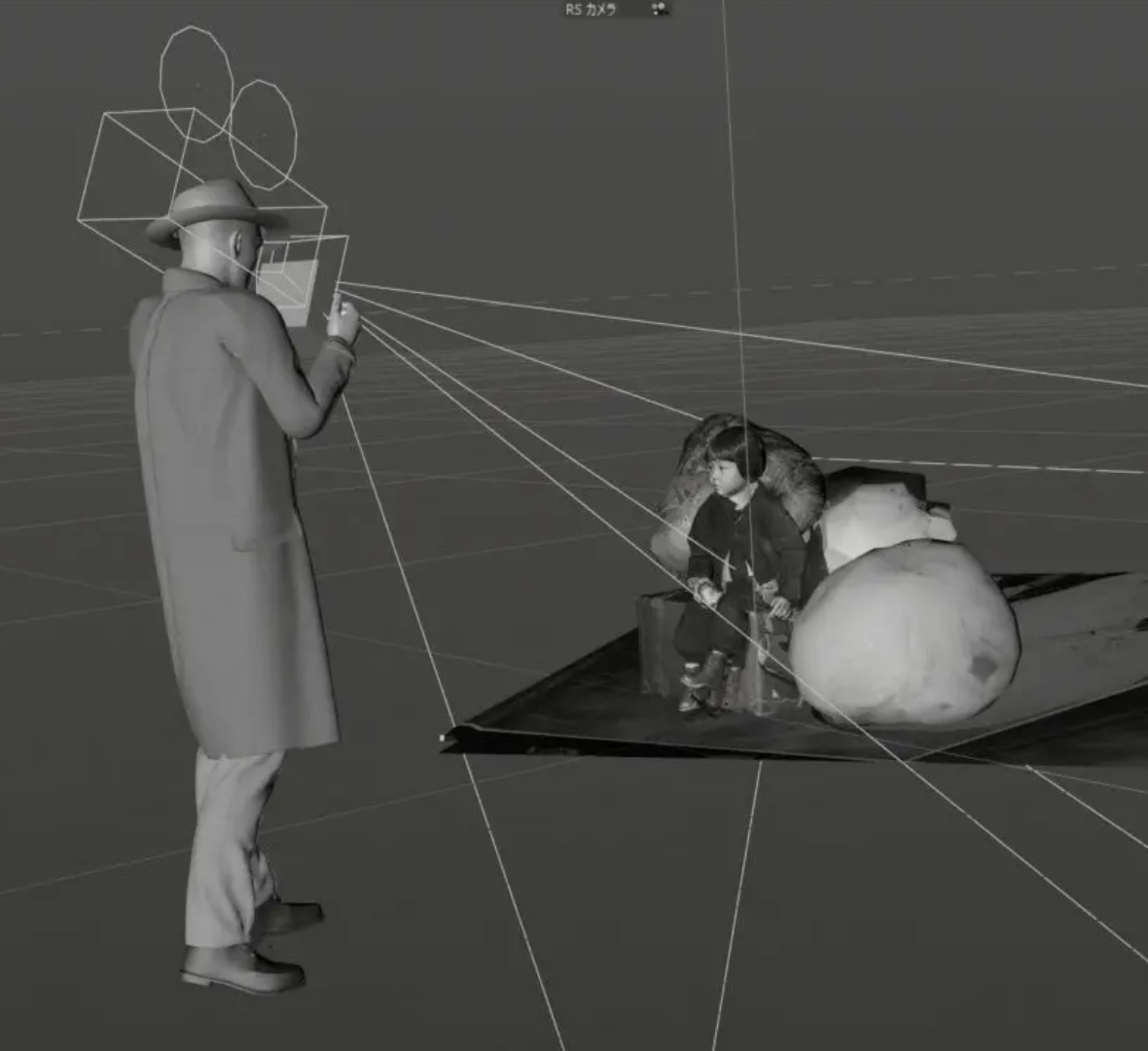
Three-dimensional modeler Yasutaka Fukuda used Russell Lee’s 50mm lens and 35mm Contax camera specifications to pinpoint and render the photograph’s position.
At OM.CA (after premiering at Japanese American National Museum in LA), the exhibition has expanded its focus to Bay Area-specific archives—incorporating local Lange photographs and an outdoor AR experience in the Oak Street Plaza, where visitors will engage with images of buses and people moving as they might have in 1942, layered over today’s Plaza. Indeed, some of Lange’s photographs were taken directly across the street from the Plaza. Fujihata also created a new three-screen video featuring local residents, some with connections to the story of Japanese American incarceration and others impacted by present-day anti-immigrant policies. Thus, inviting visitors to consider how the legacies of exclusion continue to shape communities today.
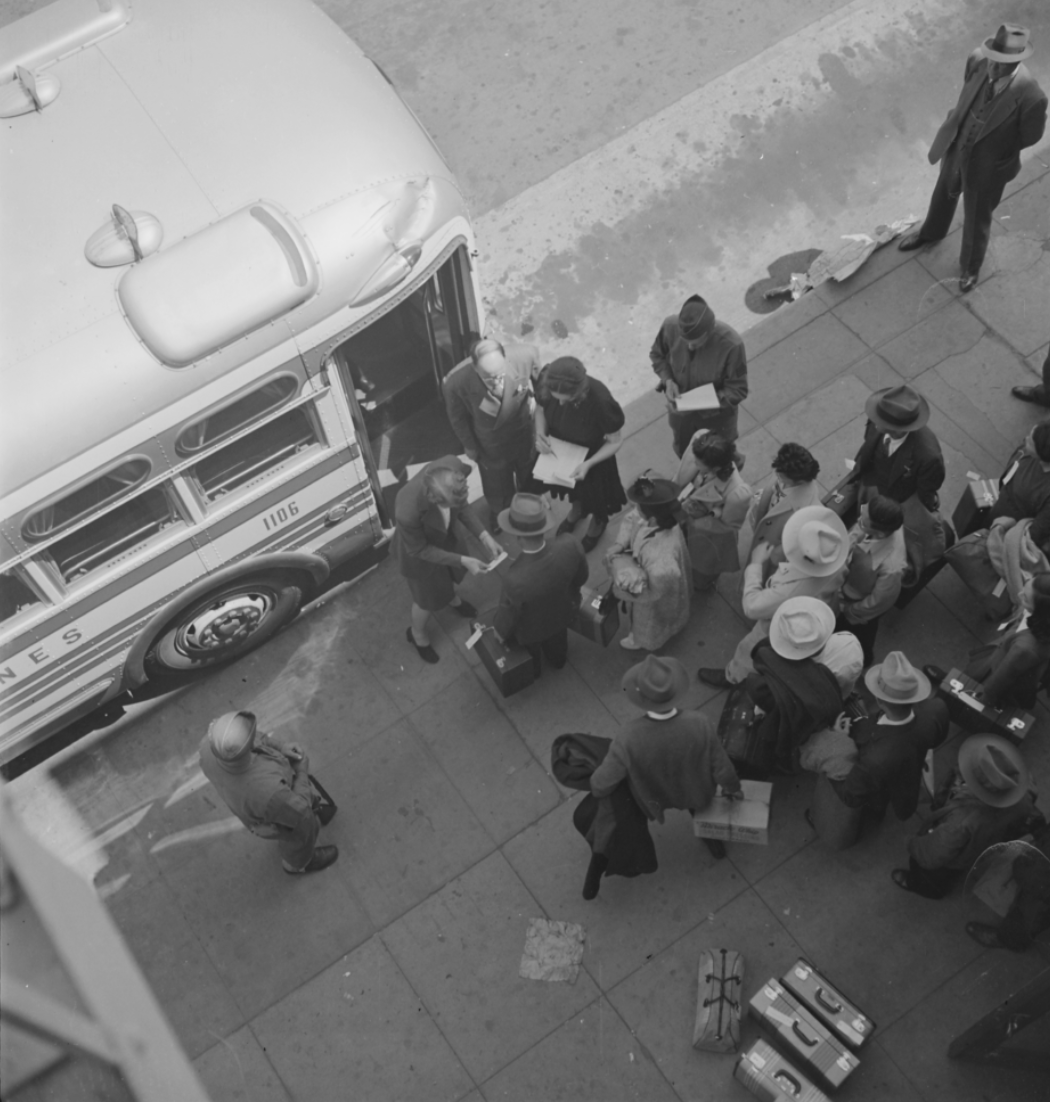
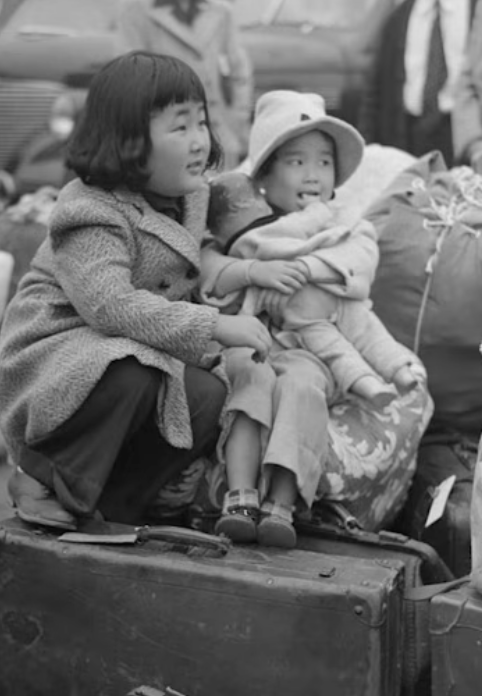
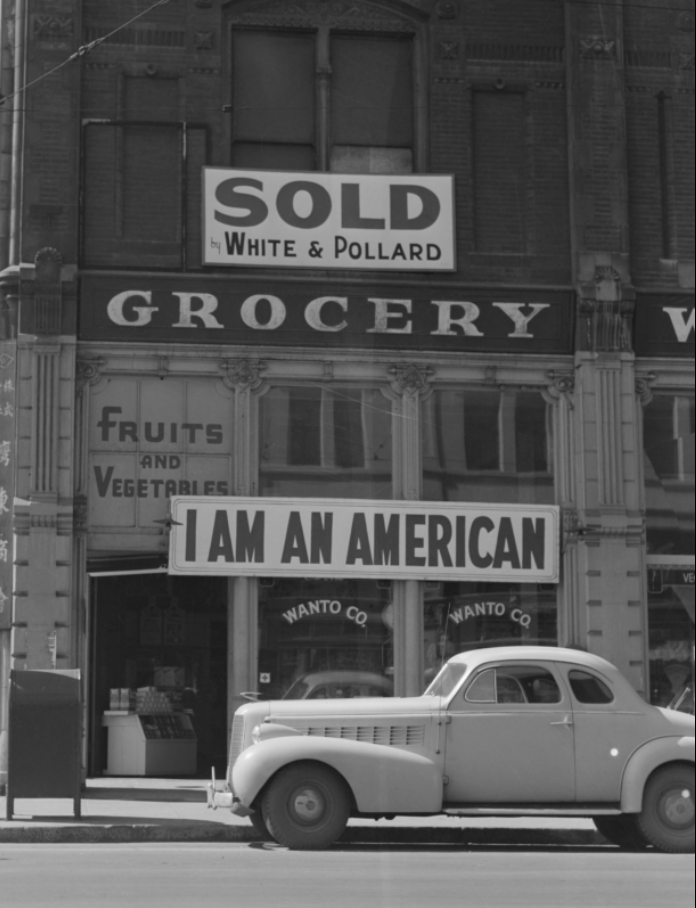
Photos by Dorothea Lange taken in Oakland and San Francisco.
The Intent
BeHere/1942 asks: Can looking closely at photographs change what we see, know, and feel about this history?
Fujihata spent years combing through the Lange and Lee archives for their documentation of the forced incarceration of Japanese Americans. Using myriad technologies, he enlarged, zoomed in and activated their images to encourage visitors to look more closely—at the emotions of each subject and at the power dynamics at play between the photographer behind the camera and people in front of it. Visitors are invited to see the photographs not as fixed historical documents, but as images whose meaning is shaped by both what is shown and what lies beyond the frame.
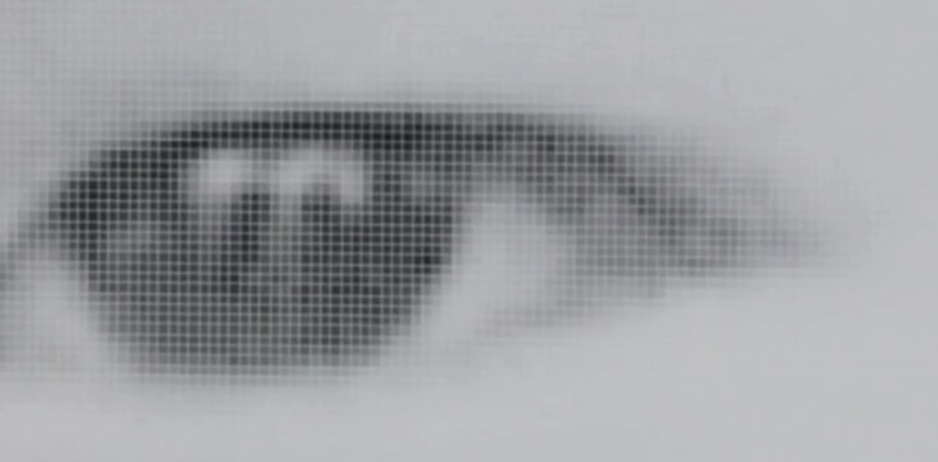
Using enhanced technology, Fujihata was able to get close-ups of the eyes of the people waiting to board the buses, reflecting the images of other evacuees.
“it’s like seeing the whole evacuation from different eyes.” ~June Aochi Berk (one of the children forced to evacuate)
“As you move through the exhibition, you begin to see how images are constructed—and how power operates through them,” said Carin Adams, Curator of Art at OM.CA. “That realization doesn’t stay in 1942. It sharpens our awareness of the present, and the ways civil liberties can be challenged or eroded in any era.”
Rooted in reflection and participation, BeHere/1942 is not a traditional history exhibition, but an artistic exploration of image-making, memory and civic responsibility.
The History
Beginning on April 3, 1942, Executive Order 9066 forced the removal of Japanese Americans from the San Francisco Bay Area to facilities like the Tanforan Assembly Center in San Bruno. The evacuation was completed by May 20 of that year. The forced evacuees were moved to permanent inland concentration camps until the Order was lifted on January 2, 1945. Eventually, these camps were permanently closed in March 1946. Return was difficult and gradual because many families had lost their homes, farms and businesses during their forced incarceration.
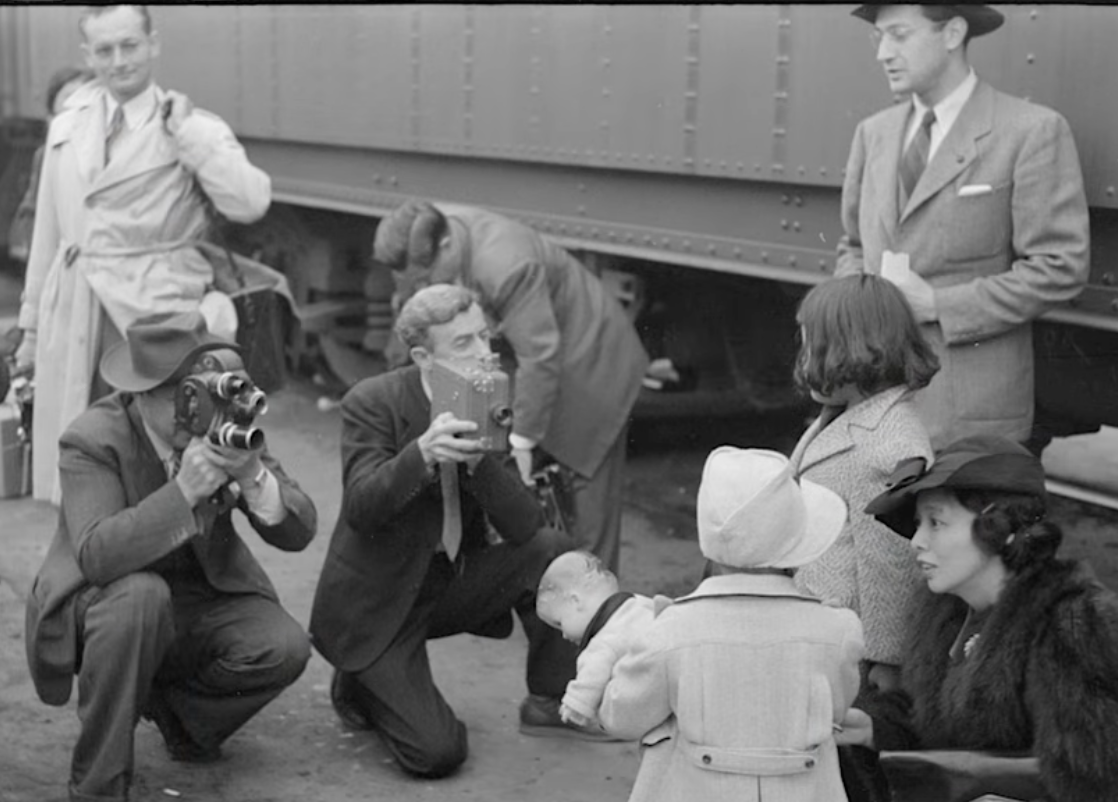
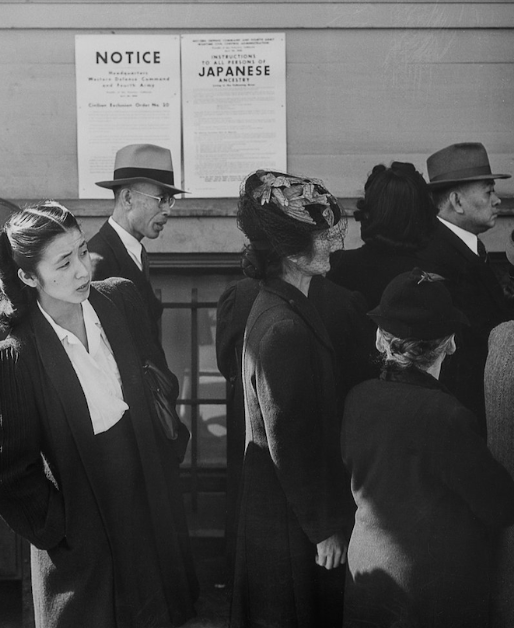
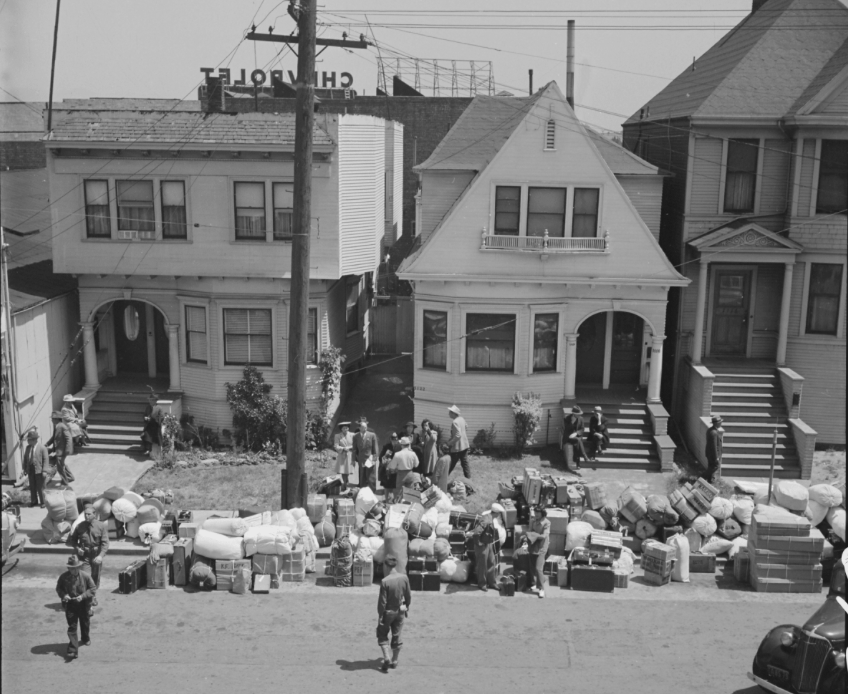
“if you are moved [by] the story, your brain starts to be energized and to memorize in a more solid way. So that’s an artist’s job.” ~Fujihata
Over 120,000 people were forced to evacuate; 92% of those persons were living in California. Somehow, <0.1% of the US population posed direct defense and “civil morale” threats. Meanwhile, in Hawaii, 150,000 Japanese Americans (>33% of the Hawaiian Islands population) continued their daily lives. Only 1% of those residents were incarcerated. In Korematsu v. United States, San Leandro resident, Fred Korematsu challenged Order 9066 under the Fifth Amendment Due Process Clause. SCOTUS upheld the incarcerations by limiting their analysis to the criminal statutes put in place to enforce the Order. Remarkably, the Court chose not to reach any consideration of the Fifth Amendment, despite Korematsu’s Constitutional challenge.
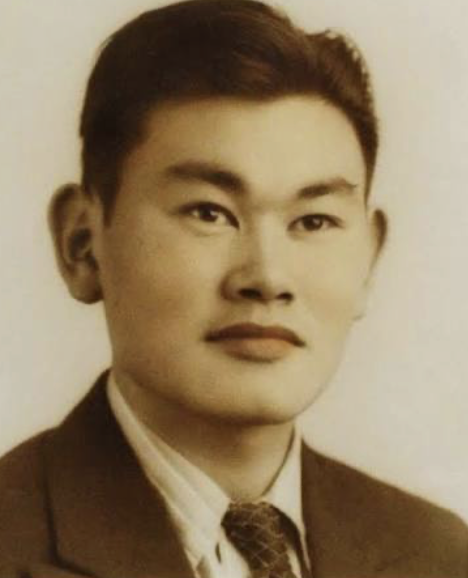
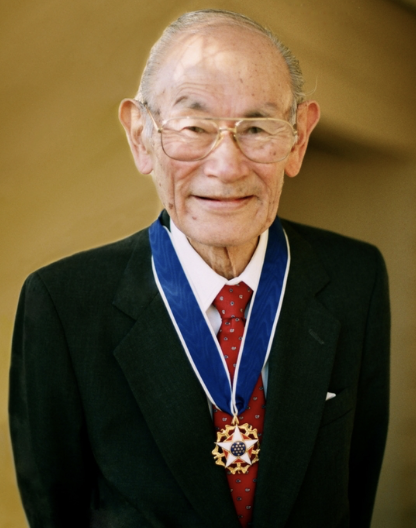
L2R: Fred Korematsu, circa 1942 and Fred Korematsu receiving Presidential Medal of Freedom, 1998
For more information on BeHere/1942, click here.